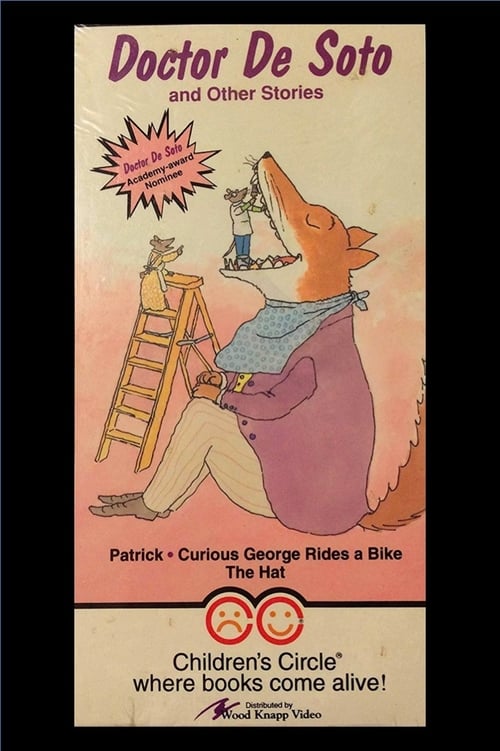
Doctor De Soto
1984
No user ratings available yet
Representation score: 1.8 out of 10
Representation Score
Minimal
1952
ApprovedDirector
Robert Cannon
Runtime
8 minutes
Average Rating
No ratings yetNew Showbiz Analysis
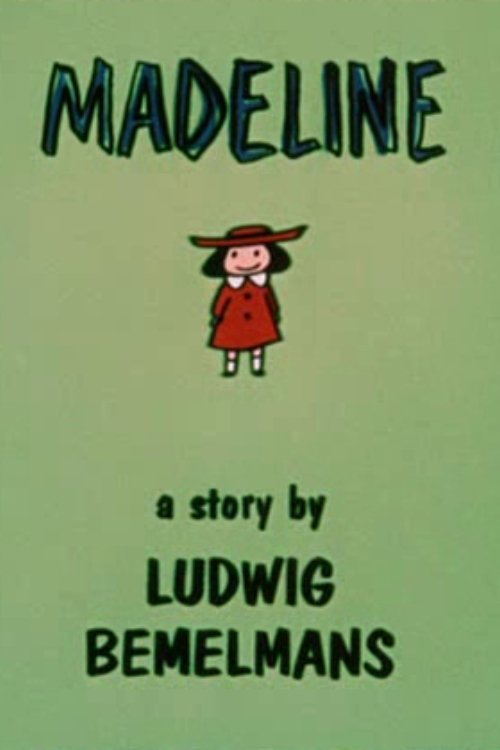
Madeline (1952) is a product of its era, emphasizing mid-century modernist aesthetics over complex themes. While the UPA studio's visual style was innovative and avant-garde, the narrative content remains deeply traditional. The film presents a homogeneous world that aligns with the social norms of the early 1950s. It focuses on a stable, conventional environment without exploring diverse identities or systemic issues. Ultimately, the work stands out visually but remains limited in its portrayal of race, gender roles, and disability.
Category Breakdown
The film does not include any representation of LGBTQ+ identities or same-sex relationships. It follows the traditional social norms of the time.
The story centers around a young girl, offering a female perspective. However, it stays within the traditional gender roles of the mid-20th century without challenging these norms.
The animation depicts a homogeneous population based on a specific European literary tradition. There is no indication of intentional racial diversity or ethnic representation.
The film upholds traditional family values and social stability. It does not offer any critique of Western institutions or organized religion.
The narrative does not feature any characters dealing with physical disabilities, neurodivergence, or mental health conditions.
Present on Screen
Limited or Absent
Official Synopsis
This short from the UPA studio was nominated for the 1952 Oscars. Based on the Madeline series of children's books.
1984
1948
1970
1943
1990
1959

1986
1947
No reviews yet. Be the first to share your thoughts on this movie!
Use the rating form above to leave a star rating and optional review.