Madeline
1952
No user ratings available yet
Representation score: 1.2 out of 10
Representation Score
Minimal
1948
Director
Hamilton Luske
Runtime
8 minutes
Average Rating
No ratings yetNew Showbiz Analysis
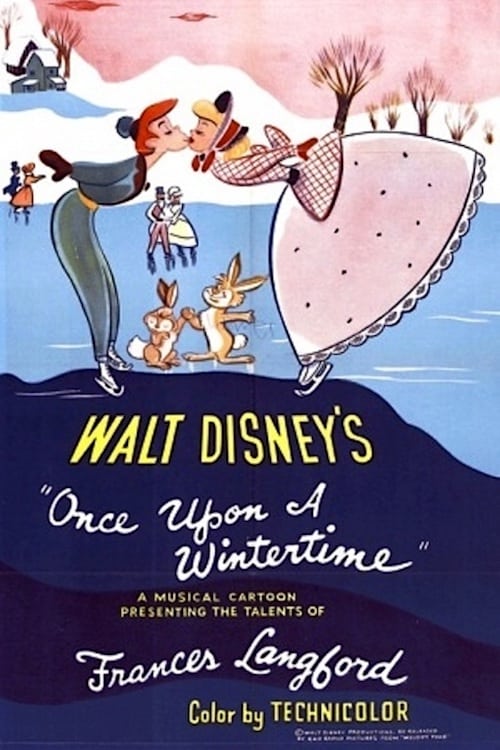
Once Upon a Wintertime is a product of its historical era, functioning primarily as a vehicle for traditional Western folklore. The narrative design prioritizes the preservation of established cultural myths rather than introducing diverse identities. The film uses classical, homogeneous storytelling models that reinforce existing social hierarchies. By focusing on Eurocentric fairy tale structures and anthropomorphic animals, it avoids the inclusion of diverse racial or cultural perspectives. Ultimately, the work maintains the continuity of Western literary heritage. It lacks any attempt to challenge conventional gender roles or represent neurodivergence and physical impairments.
Category Breakdown
The film relies on traditional, straight-centered archetypes common to mid-century animation. There are no non-cisgender identities or same-sex relationships among the characters.
Female characters like the Sugar Plum Fairy have magical abilities but their roles are mostly performative. Masculinity follows traditional heroic stereotypes without challenging conventional gender roles.
The cast includes anthropomorphic animals and Eurocentric fairy tale characters. The setting lacks racial diversity or non-Anglo-Saxon perspectives, reflecting a homogeneous cultural landscape.
The narrative preserves Western literary heritage through stories like The Nutcracker Suite. It reinforces traditional values of order and whimsy within classical European storytelling traditions.
There are no characters with visible or invisible disabilities. Characters are portrayed as idealized archetypes of movement and vitality.
Present on Screen
Limited or Absent
Official Synopsis
A short segment of the feature film Melody Time, re-released as a separate entity five years afterwards.
1952

1951

1982
1934
1973
1943
1947
1966
No reviews yet. Be the first to share your thoughts on this movie!
Use the rating form above to leave a star rating and optional review.