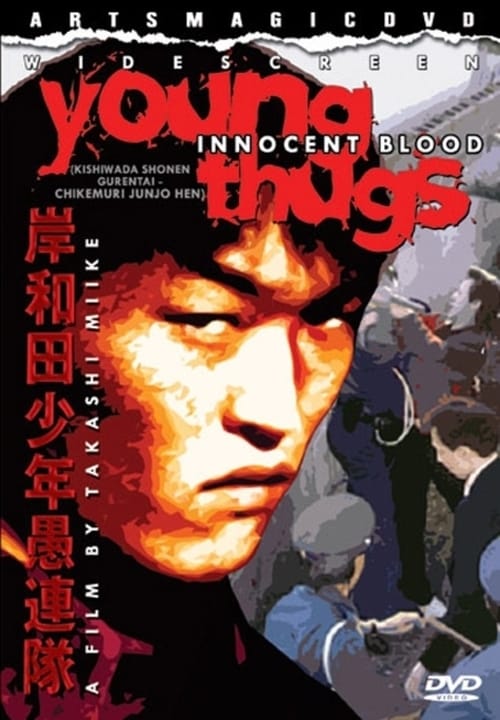
Young Thugs: Innocent Blood
1997
No user ratings available yet
Diversity score: 5.5 out of 10
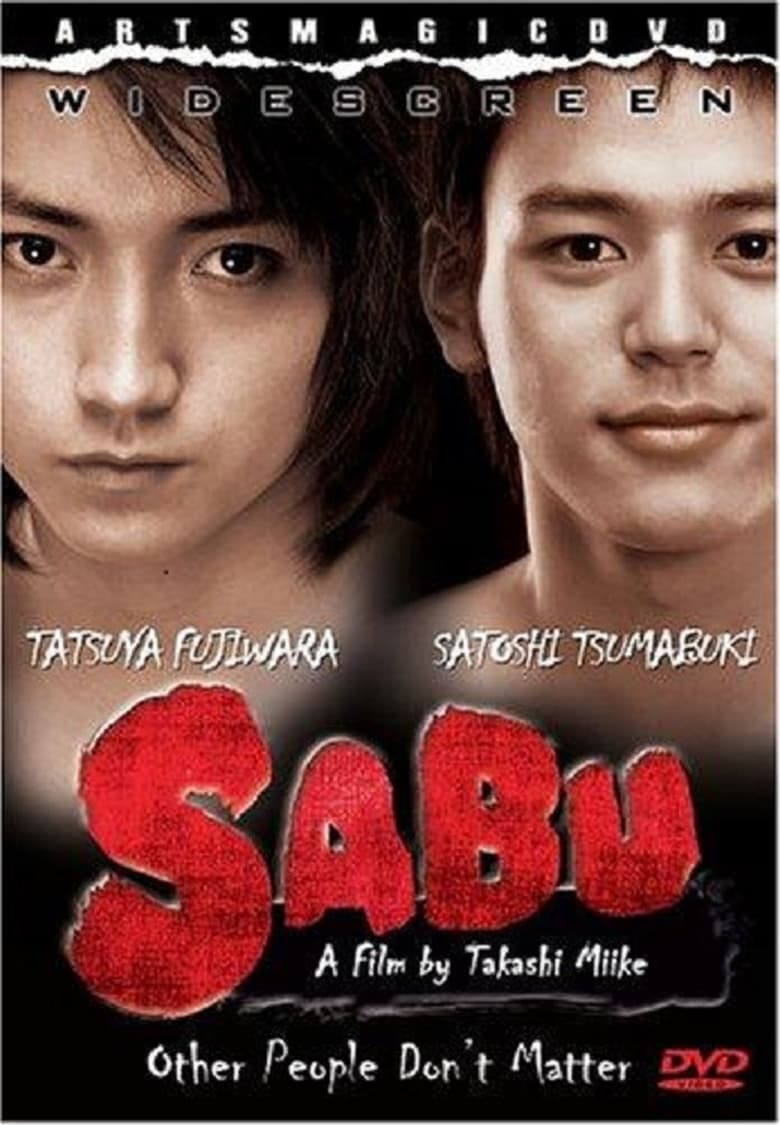
2002
Director
Takashi Miike
Runtime
122 minutes
Average Rating
No ratings yetSynopsis
When a young man is sent to a prison workhouse for a crime he did not commit his friend on the outside must find evidence to clear his name.
Overall Score
Good
Category Breakdown
LGBTQ+ Representation
The film lacks explicit evidence of queer character arcs or non-heteronormative identities. The narrative focus remains on a legal struggle for justice, leaving any potential queer subtext unaddressed.
Gender Representation
The story centers on a male protagonist and his male friend. It is unclear if the film subverts masculine tropes or simply reinforces standard action-drama archetypes.
Racial & Ethnic Diversity
As a Japanese production, the film offers a non-Western perspective. It provides a departure from Anglo-centric narratives by centering a domestic legal struggle within a Japanese context.
Religious & Cultural Diversity
The premise critiques the fallibility of state institutions and penal systems. It prioritizes an individual's struggle against oppressive institutional frameworks and systemic error.
Disability Representation
There is no evidence of characters with visible or invisible disabilities within the narrative.
Strengths
Areas for Improvement
AI Analysis
Sabu offers a non-Western perspective by centering its drama within the Japanese legal and penal systems. This provides a necessary departure from the Anglo-centric viewpoints common in global cinema. The film's strength lies in its potential to critique institutional authority and systemic injustice. By focusing on a protagonist wrongly accused, the narrative architecture challenges the infallibility of state power. However, the film lacks diversity in gender and LGBTQ+ representation. The focus remains heavily on male agency, and there is no indication of queer identities or characters with disabilities.
1997

1973

2021
1999

2004

2012
2004
2013
2012
2002
1973
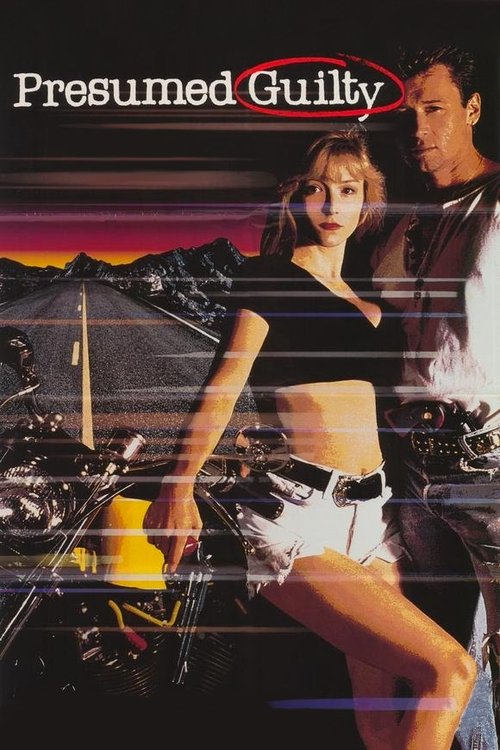
1991
No reviews yet. Be the first to share your thoughts on this movie!
Use the rating form above to leave a star rating and optional review.