
Sabu
2002
No user ratings available yet
Representation score: 5.5 out of 10
Representation Score
Limited
2004
Not RatedDirector
Kamal Haasan
Runtime
175 minutes
Average Rating
No ratings yetNew Showbiz Analysis
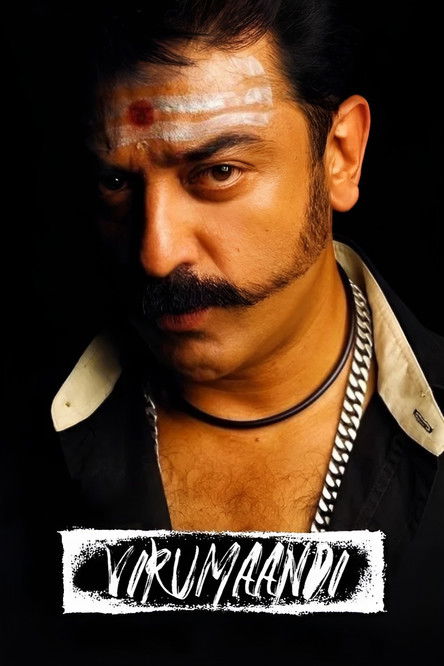
Virumaandi is a complex character study that employs a postmodern, subjective storytelling method to challenge objective truth. Its strength lies in its unflinching examination of systemic oppression and the tension between social strata in rural India. While the film effectively deconstructs caste-based hierarchies and institutional corruption, it remains confined by traditional gender roles. The focus on a masculine hero archetype leaves much of the social landscape centered on male-driven conflict. Ultimately, the film is a sophisticated critique of authority and social order, despite lacking representation for LGBTQ+ identities and disabilities.
Category Breakdown
The film does not include any LGBTQ+ characters or narratives. The social setting revolves around traditional rural structures where queer identities are not represented.
The story centers on a masculine hero archetype within traditional hierarchies. While women play key emotional roles, they often operate within domestic settings or serve as catalysts for male conflicts.
The film delves into identity-based power dynamics by focusing on the Indian caste system. It gives a significant role in driving the story to characters from underrepresented castes who struggle against dominant-caste landowners.
The story critiques traditional power structures by depicting village elders as sources of corruption. It uses situational ethics to dismantle historical hierarchies and social orders.
There is no significant or intentional representation of physical or neurodivergent disabilities within the main storyline.
Present on Screen
Limited or Absent
Official Synopsis
Angela, a civil advocate interviewing inmates at the Madras Central Prison for a documentary on the death penalty meets Virumaandi and Kothaala, who are sentenced to death and life respectively for their roles in perpetrating the massacre of 24 people during a brutal clash between feuding villages. As tensions mount within the prison walls, she listens to their conflicting accounts of the same story.
2002
2004
2002

2006
2021
1999

1985

2003
No reviews yet. Be the first to share your thoughts on this movie!
Use the rating form above to leave a star rating and optional review.