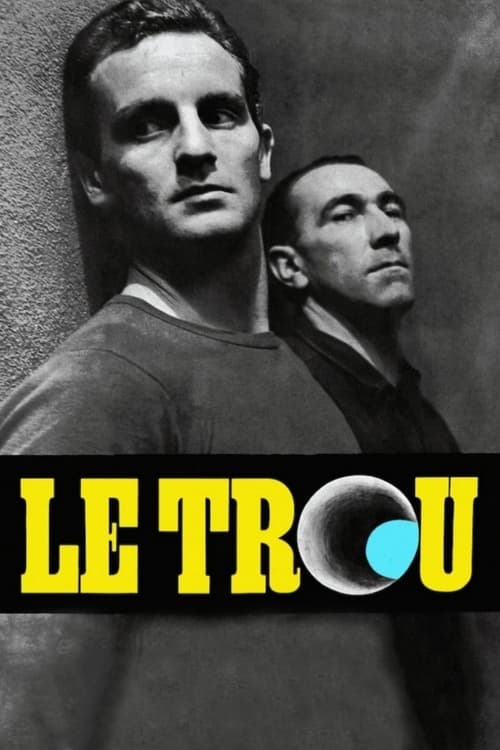
Le Trou
1960
No user ratings available yet
Diversity score: 2.7 out of 10

1959
NRDirector
Howard W. Koch
Runtime
81 minutes
Average Rating
No ratings yetSynopsis
Jail house tensions mount as a killer's execution approaches.
Overall Score
Minimal
Category Breakdown
LGBTQ+ Representation
The film operates within a strictly heteronormative framework. Set in an all-male penal environment, the narrative lacks LGBTQ+ characters or explorations of non-cisnormative identities.
Gender Representation
The setting is an exclusively male space, resulting in a lack of gender diversity. The film reinforces a rigid, hyper-masculine hierarchy without any presence of female agency.
Racial & Ethnic Diversity
The ensemble is predominantly white, reflecting the systemic homogeneity of 1959 cinema. There is no significant racial or ethnic diversity or use of non-white characters to drive the plot.
Religious & Cultural Diversity
The narrative offers a moderate critique of state-run correctional institutions and the difficulties of rehabilitation. It disrupts the idea of state authority as inherently restorative but remains within traditional moral storytelling.
Disability Representation
There is no significant evidence of characters with visible or invisible disabilities being portrayed with agency. The focus remains strictly on the socioeconomic and criminal backgrounds of the inmates.
Strengths
Areas for Improvement
AI Analysis
The Last Mile is a product of its historical context, characterized by a lack of intersectional representation and a reliance on homogeneous casting. It adheres to the conservative social and demographic norms of 1950s American cinema. While the film provides a nuanced look at the friction between the individual and the penal system, it fails to include diverse identities. The narrative is built upon traditional masculine archetypes and a predominantly white ensemble. Ultimately, the film's social structure is defined by the era's systemic limitations, offering very little in the way of modern inclusive storytelling.
1960
1957
1960
1957

1947
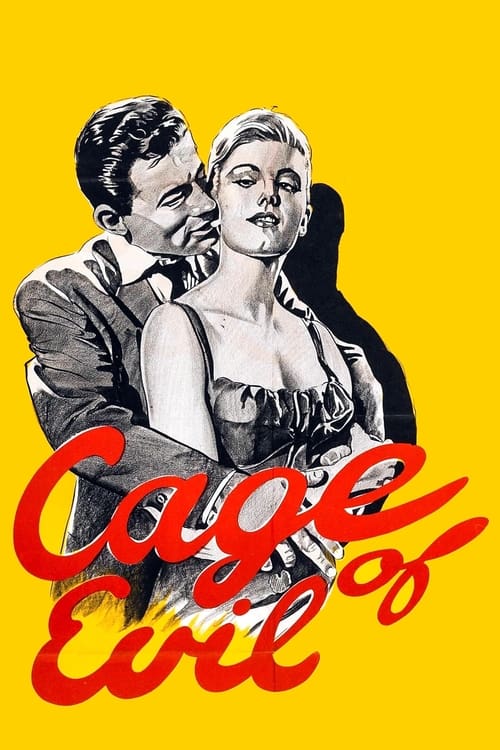
1960
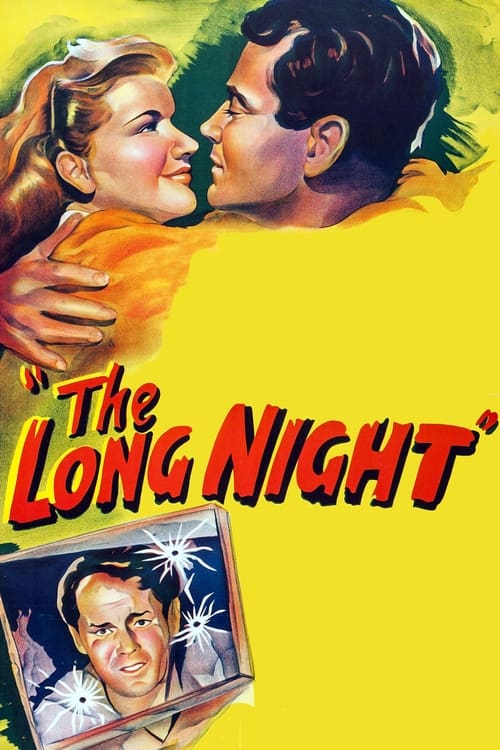
1947
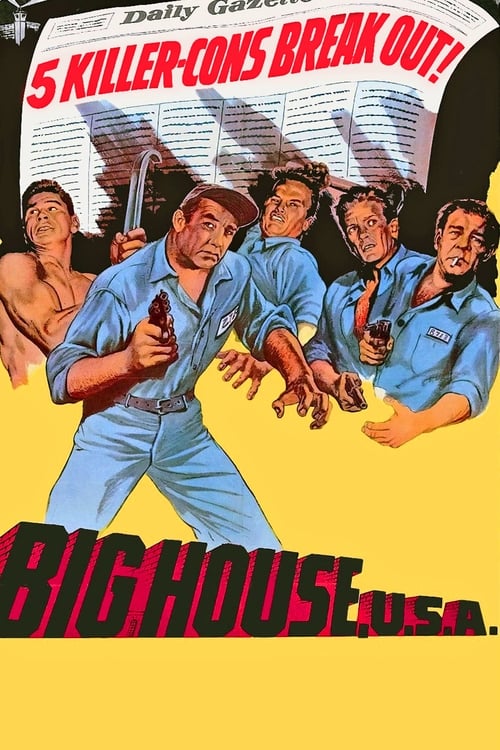
1955
No reviews yet. Be the first to share your thoughts on this movie!
Use the rating form above to leave a star rating and optional review.