Find another title
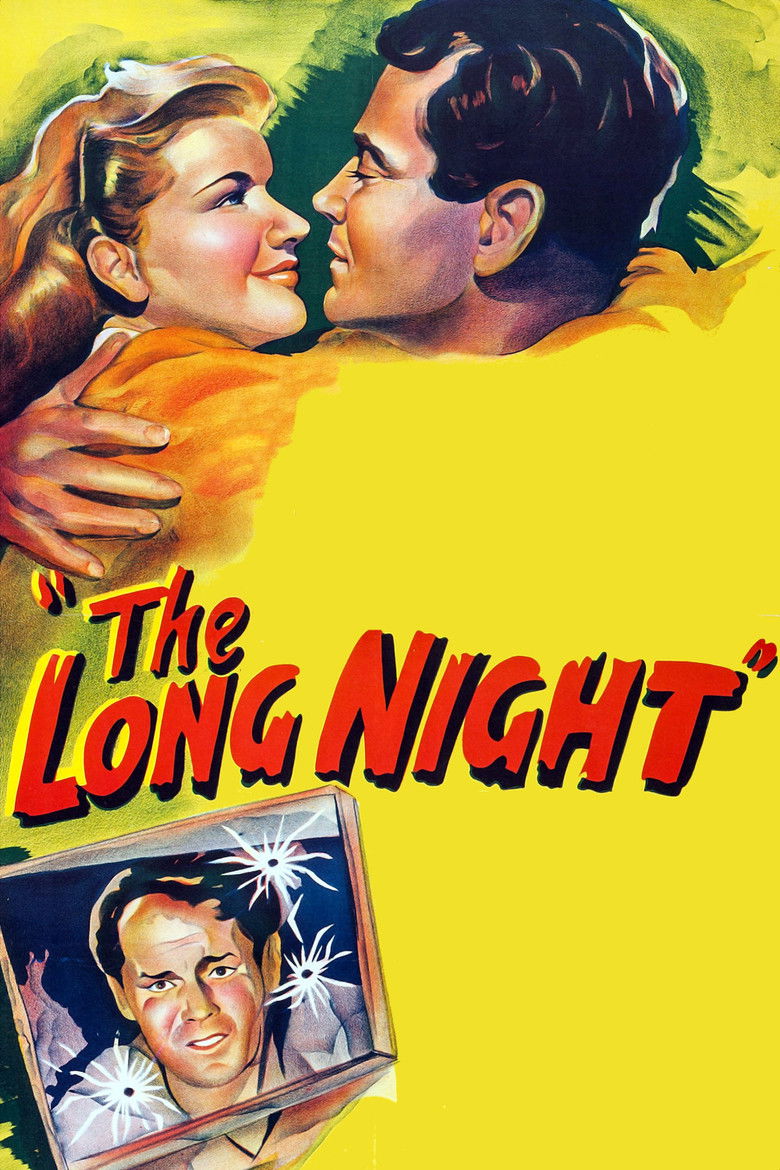
The Long Night
1947
NRDirector
Anatole Litvak
Runtime
101 minutes
Average Rating
No ratings yetSynopsis
City police surround a building, attempting to capture a suspected murderer. The suspect knows there is no escape but refuses to give in.
Where to Watch
Diversity & Representation
Overall Score
Limited
Category Breakdown
LGBTQ+ Representation
The film lacks any discernible presence of LGBTQ+ characters. The narrative remains strictly within the traditional romantic and social frameworks of 1947.
Gender Representation
Women are central to the emotional landscape, often reflecting the psychological toll of displacement. However, they primarily function within the era's social constraints and traditional hierarchies.
Racial & Ethnic Diversity
The cast is predominantly white, mirroring the demographic reality of the American military and European civilians depicted. There is no evidence of intentional racial blending.
Religious & Cultural Diversity
The film explores the breakdown of traditional institutions and religious certainties. It focuses on moral relativism and survival instincts within a destabilized post-war society.
Disability Representation
The narrative touches on psychological trauma and the invisible wounds of war. However, it lacks characters with disabilities serving as central agents of the plot.
Strengths
- Explores nuanced themes of moral relativism and the breakdown of social order.
- Provides a meaningful depiction of the psychological toll and exhaustion caused by war.
- Avoids the reinforcement of overt harmful stereotypes through its humanistic focus.
Areas for Improvement
- Lacks any representation of LGBTQ+ identities or non-heteronormative narratives.
- Features a predominantly white cast with no intentional racial diversity.
- Does not feature characters with physical or neurodivergent disabilities as central figures.
AI Analysis
The Long Night is a period piece that reflects the demographic and social limitations of its 1947 production context. It maintains a homogeneous cast that aligns with the historical setting of post-WWII Europe and American military presence. While the film lacks intersectional complexity or intentional demographic subversion, it finds depth in its thematic exploration of moral ambiguity. It moves away from rigid institutionalism to focus on the fragility of societal structures. Ultimately, the film prioritizes humanistic survival and the psychological exhaustion of its characters over progressive representation or diverse casting.
Rate this Movie
Reviews
No reviews yet. Be the first to share your thoughts on this movie!
Use the rating form above to leave a star rating and optional review.