Alma grande
1966
No user ratings available yet
Representation score: 3.3 out of 10
Representation Score
Fair
1967
Director
René Cardona
Runtime
87 minutes
Average Rating
No ratings yetNew Showbiz Analysis
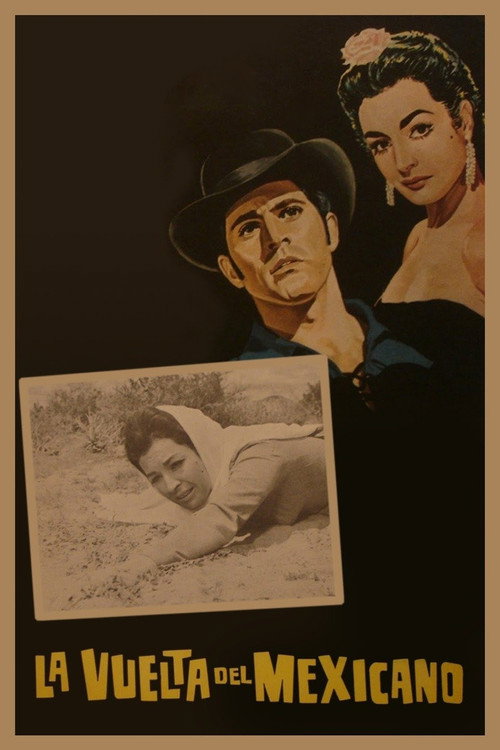
La vuelta del Mexicano succeeds as a culturally specific comedy centered around Mexican identity and autonomy. By featuring a predominantly Mexican cast, it challenges the historical dominance of white-centric narratives in global cinema. However, the film remains confined by the social and gendered norms of its time. It lacks the intentional disruption of traditional hierarchies or the multi-layered approach found in more inclusive works. While the protagonist's struggle for social justice adds a layer of cultural empowerment, the film's reliance on traditional comedic formulas prevents a higher diversity score.
Category Breakdown
The film does not depict any non-straight or non-cisgender identities. It follows the assumption that everyone is straight or cisgender, which was common in mid-century Mexican cinema.
The story relies on traditional gender stereotypes and standard 1960s comedic clichés. Women do not seem to have much control over their own lives that challenges traditional patriarchal structures.
A mostly Mexican cast adds significant ethnic complexity. The presence of Germán Valdés brings Afro-Mexican heritage, challenging Western-centric media homogeneity.
The story explores conflicts between religious institutions and individual freedom. The protagonist's move away from priesthood hints at a subtle critique of traditional religious authority.
There are no characters with physical or neurodivergent disabilities that are given real depth. Such elements are not highlighted in this comedic setting.
Present on Screen
Limited or Absent
Official Synopsis
1850s. Seminary student abandons the priesthood to fight for social justice in formerly-Mexican territories of the SW USA. Sequel to El Mexicano (1966).
1966

1959

1973
1958
1943
1982
1956
1954
No reviews yet. Be the first to share your thoughts on this movie!
Use the rating form above to leave a star rating and optional review.