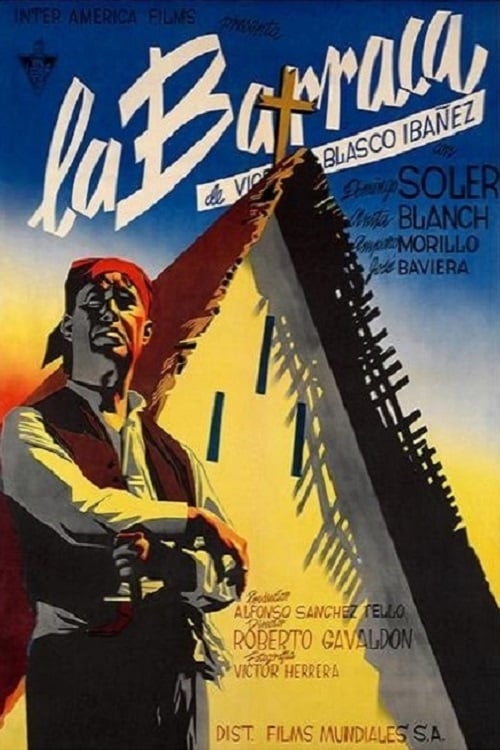
The Hidden One
1956
No user ratings available yet
Diversity score: 5.4 out of 10
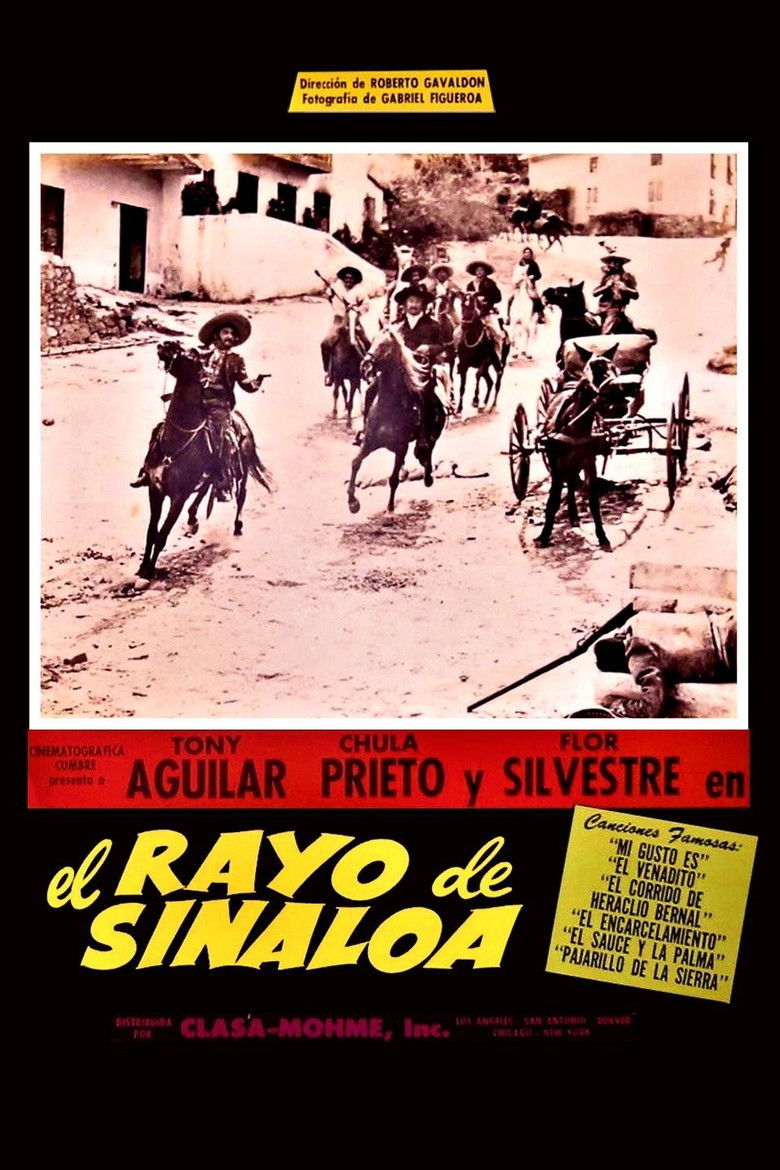
1958
Director
Roberto Gavaldón
Runtime
85 minutes
Average Rating
No ratings yetSynopsis
Disgruntled 19th century peasants get militant and start redistributing some wealth. Part two of a historical-drama trilogy.
Overall Score
Good
Category Breakdown
LGBTQ+ Representation
The film adheres to the traditional heteronormative structures typical of 1958 Mexican cinema. There is no evidence of non-cisnormative identities or same-sex intimacy within the narrative.
Gender Representation
The story centers on masculine-coded revolutionary struggle and militant action. While women may hold symbolic roles, primary political agency remains concentrated among male protagonists.
Racial & Ethnic Diversity
The film prioritizes the agency of mestizo and indigenous working classes. By focusing on peasants, it moves away from Eurocentric or elite-centric historical perspectives.
Religious & Cultural Diversity
The narrative critiques traditional structures of land ownership and capital. It portrays the struggle of the disenfranchised against systemic oppression and established institutional power.
Disability Representation
There is no documented evidence regarding the inclusion of characters with physical or neurodivergent disabilities in this work.
Strengths
Areas for Improvement
AI Analysis
Roberto Gavaldón’s historical drama succeeds as a critique of class-based power dynamics. By centering the plot on militant peasants redistributing wealth, the film elevates the agency of the marginalized against established hierarchies. However, the film remains limited by the social constraints of its era. It lacks modern intersectional markers, specifically regarding LGBTQ+ representation and disability, following the traditional norms of mid-century Mexican cinema. Ultimately, the film provides significant progressive value through its subversion of economic status quos, even while maintaining traditional gender hierarchies in its portrayal of revolutionary struggle.
No reviews yet. Be the first to share your thoughts on this movie!
Use the rating form above to leave a star rating and optional review.