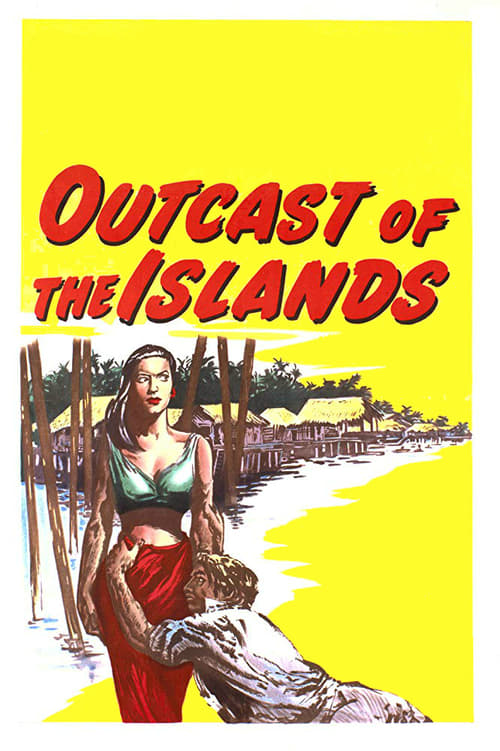
Outcast of the Islands
1951
No user ratings available yet
Representation score: 3.0 out of 10
Representation Score
Limited
1953
Director
Raffaello Matarazzo
Runtime
101 minutes
Average Rating
No ratings yetNew Showbiz Analysis
The film operates as a traditional Italian melodrama, focusing on intense emotionality and domestic struggles. While it places women at the center of the conflict, it does so through established genre clichés rather than progressive subversion. The narrative structure remains tied to the social and moral hierarchies of the Yöntemler 1950s. Male intervention in the legal system and the focus on traditional romantic dynamics limit the film's ability to challenge existing power structures. Ultimately, the work functions as a study of systemic failure and interpersonal betrayal. It lacks the multi-layered approach or diverse casting required to disrupt the era's standard social norms.
Category Breakdown
The film does not include any characters with non-straight relationships or same-sex intimacy. The story revolves around a traditional heterosexual romance.
The plot centers on a conflict between two women, but it is driven by a male attorney. The film uses common clichés associated with female-driven tragedies.
The production reflects the demographic uniformity typical of 1953 Italian cinema. There is no indication of a multi-ethnic cast or diverse racial representation.
The story explores themes of justice and guilt within traditional moral frameworks. It focuses on domestic betrayal and the consequences of illegitimacy.
No visible or invisible disabilities are depicted as central to the character arcs or the progression of the plot.
Present on Screen
Limited or Absent
Official Synopsis
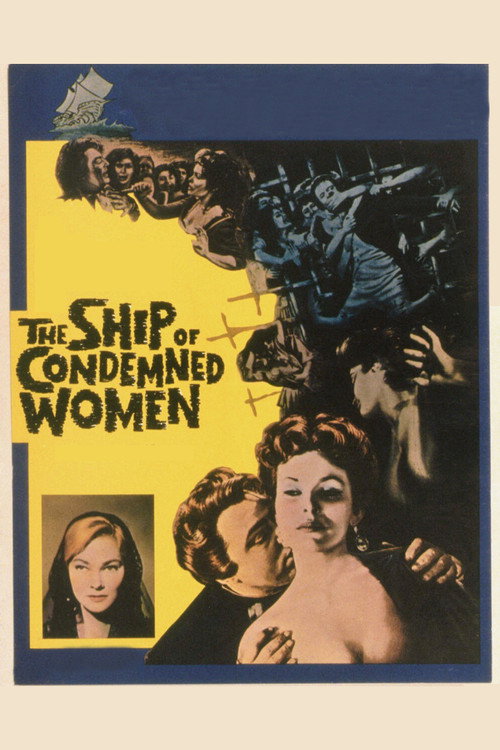
After murdering her illegitimate baby, Isabella pins the blame on her innocent cousin Consuelo. Despite the strenuous efforts of her attorney-lover DeSylva, Consuelo is found guilty and shipped to a penal colony along with several other female prisoners.
1951
1972
1950

1958

1962

1949
1957
1952
No reviews yet. Be the first to share your thoughts on this movie!
Use the rating form above to leave a star rating and optional review.