Zero Hour
1977
No user ratings available yet
Representation score: 6.1 out of 10
Representation Score
Limited
2026
Director
Paweł Pawlikowski
Runtime
82 minutes
Average Rating
No ratings yetNew Showbiz Analysis
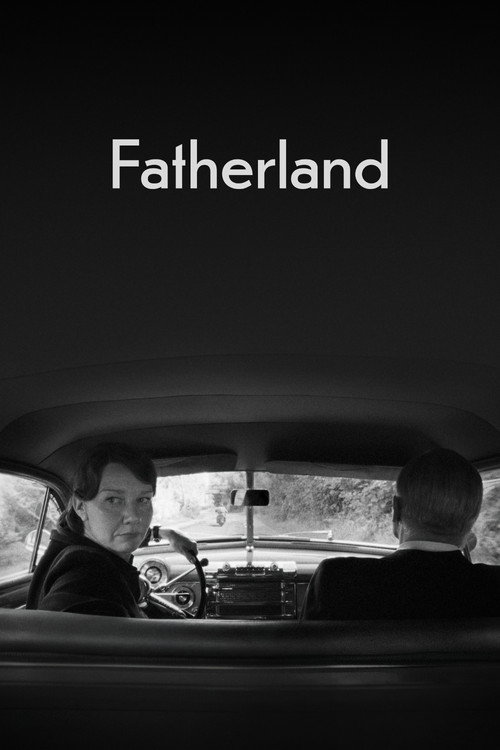
Fatherland earns its modest score through Erika Mann’s assertive presence and the film’s sharp critique of authoritarianism. She translates, confronts a former Nazi collaborator, and anchors the emotional core, while Thomas Mann’s idealism about art transcending borders adds cultural depth. Yet the film remains narrowly framed. The cast is entirely white, matching the historical setting but excluding any broader perspective. No LGBTQ+ or disability representation appears, and the narrative stays fixed on elite literary figures navigating a divided Germany. The result is a historically grounded drama with strong gender dynamics and cultural commentary, but limited in its scope of representation beyond its central characters.
Category Breakdown
No LGBTQ+ characters appear or are identified. The narrative concentrates on a father-daughter journey and Cold War politics, omitting same-sex romance or non-heteronormative identities entirely.
Erika Mann drives the plot alongside her father, translating speeches and navigating political events. She asserts herself by slapping her ex-husband, a former Nazi collaborator, while Thomas remains a respected but passive figure.
The cast is entirely white, reflecting the historical setting of 1949 Germany. No characters of color appear, and the narrative focuses exclusively on German and Western figures.
The film critiques nationalism and authoritarianism through its Cold War setting. Thomas Mann rejects rehabilitating Wagner’s Nazi-tainted image and argues art transcends borders, while East German censorship is shown as oppressive.
No characters with visible or invisible disabilities appear. The story centers on able-bodied writers and political figures without addressing disability themes.
Present on Screen
Limited or Absent
Official Synopsis
In 1949, German writer Thomas Mann and his daughter Erika embark on a road trip across a Germany in ruins, from US-dominated Frankfurt to Soviet-controlled Weimar.
1977
1969
2016

1975
1999
2006
1997
1989
No reviews yet. Be the first to share your thoughts on this movie!
Use the rating form above to leave a star rating and optional review.