
Here Below
2012
No user ratings available yet
Diversity score: 4.7 out of 10
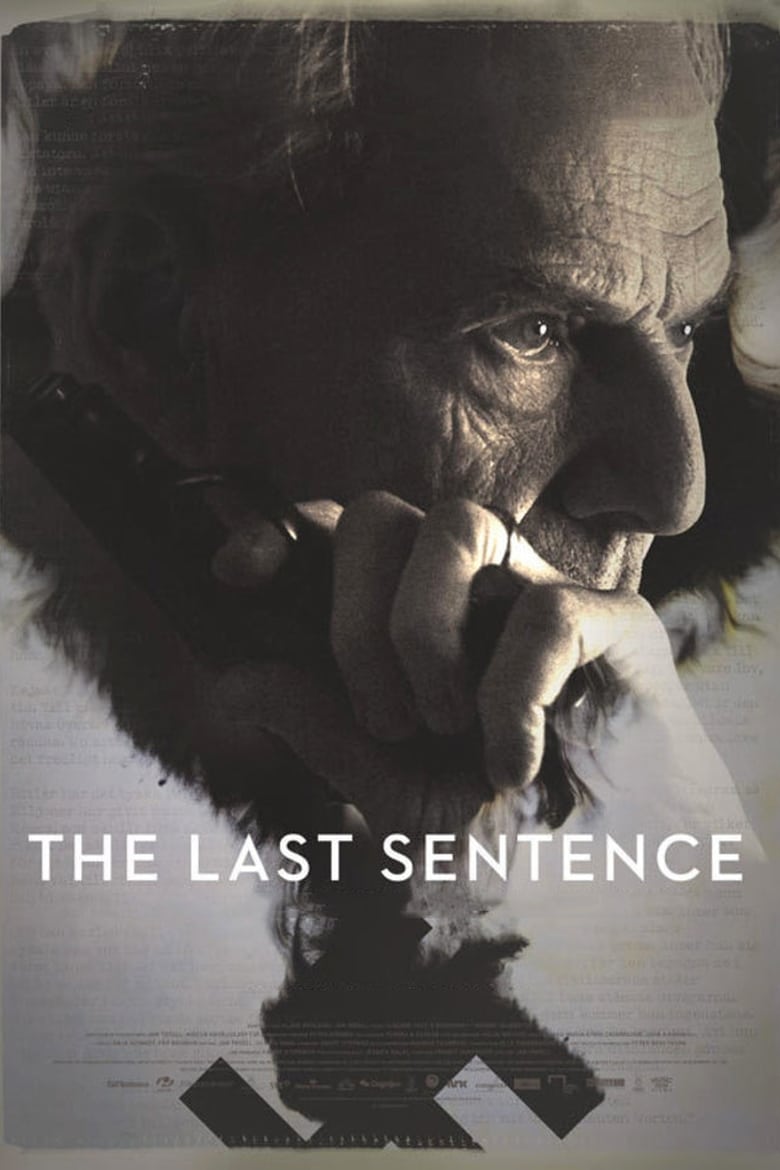
2012
UnratedDirector
Jan Troell
Runtime
104 minutes
Average Rating
No ratings yetSynopsis
Renowned journalist Torgny Segerstedt declares war against Hitler as he criticizes Swedish politicians who tried to look away from the tyranny of the Nazis with the good excuse of “neutralism”. His only weapon is his pen and his life is full of gossip such as an affair with his boss’ wife, a love scandal with a secretary younger than his daughter, and the suicide of his wife. However, he continues to fight a one man battle against Hitler and the Nazi regime until his death, throwing the question “Can one person really change history?” to the audience.
Overall Score
Fair
Category Breakdown
LGBTQ+ Representation
The film focuses on heteronormative romantic entanglements and personal scandals. There is no explicit evidence of LGBTQ+ identities or narratives that critique heteronormativity through queer lenses.
Gender Representation
Female characters are largely defined by their proximity to the male lead. While they avoid submissive archetypes, they lack the narrative agency to drive the central political conflict.
Racial & Ethnic Diversity
The cast reflects the demographic homogeneity of early 20th-century Sweden. The film adheres to the historical reality of its setting, resulting in a lack of racial diversity.
Religious & Cultural Diversity
The narrative offers a strong critique of established institutions and Swedish political neutrality. It frames the protagonist's struggle as a battle of individual truth against systemic silence.
Disability Representation
There is no discernible focus on physical or neurodivergent disabilities within the narrative.
Strengths
Areas for Improvement
AI Analysis
Jan Troell’s historical drama is a concentrated character study that prioritizes moral agency over demographic breadth. It succeeds in deconstructing institutional morality, specifically challenging the complicity of political neutrality during the rise of Nazi Germany. However, the film is limited by its historical setting and its focus on a singular, traditionally-structured protagonist. The narrative lacks intersectional depth, as most characters serve to highlight the central man's personal or political struggles. Ultimately, the film functions as a study of individual conviction against systemic tyranny, though it offers little in the way of diverse social or identity-based representation.
2012
2017
2014
2020
1982

2011
2005
1981
1997

2024
2003
2014
No reviews yet. Be the first to share your thoughts on this movie!
Use the rating form above to leave a star rating and optional review.