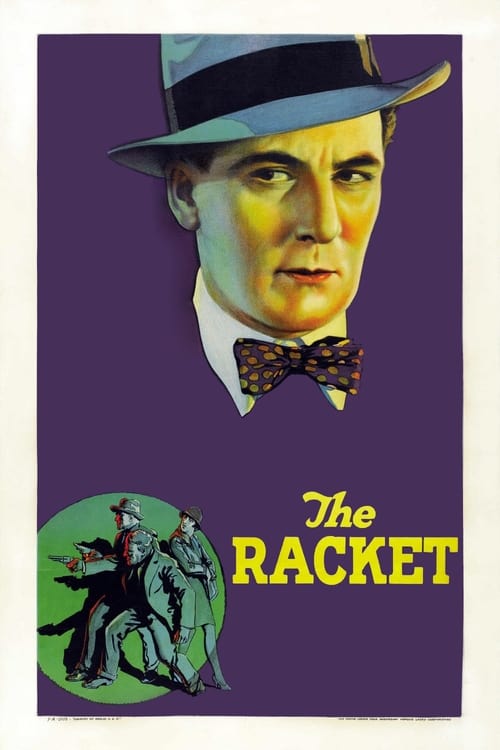
The Racket
1928
No user ratings available yet
Representation score: 1.2 out of 10
Representation Score
Minimal
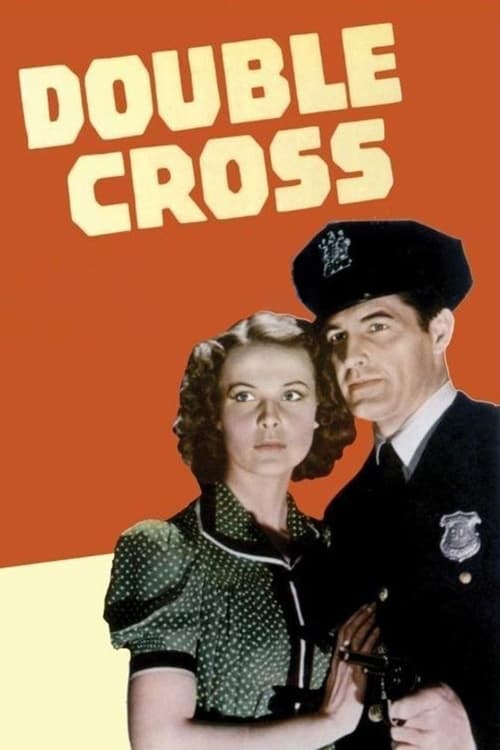
1941
NRDirector
Albert H. Kelley
Runtime
61 minutes
Average Rating
No ratings yetNew Showbiz Analysis
Double Cross is a quintessential example of early 1940s B-movie genre filmmaking. It relies on established moral frameworks and standard crime narrative structures that prioritize traditional archetypes over diverse perspectives. The film reinforces existing social hierarchies rather than challenging them. By focusing on a disgraced officer's quest for redemption, the story centers on masculine ideals of honor and institutional stability. Ultimately, the work lacks characters who reflect more than one aspect of diversity, reflecting the era's reliance on homogeneous casting and conventional social norms.
Category Breakdown
The film does not include any LGBTQ+ characters or non-straight identities. It follows the traditional heterosexual norms typical of 1941 crime dramas.
The story centers around a male protagonist pursuing justice through traditional masculine roles. Female characters are limited to supporting roles like the femme fatale or domestic figures.
The production reflects the homogeneous, Anglo-centric casting standards of the early 1940s Hollywood studio system. There is no indication of a diverse or integrated cast.
The plot reinforces conventional Western morality and institutional authority. It seeks to restore law and order rather than critiquing established social or religious institutions.
There is no documented evidence of characters with visible or invisible disabilities. No such identities are used as central narrative elements or plot devices.
Present on Screen
Limited or Absent
Official Synopsis
A disgraced cop aims to reclaim his honor by nailing a corrupt crime boss.
1928
1947
1941
1949
1935
1941
1941
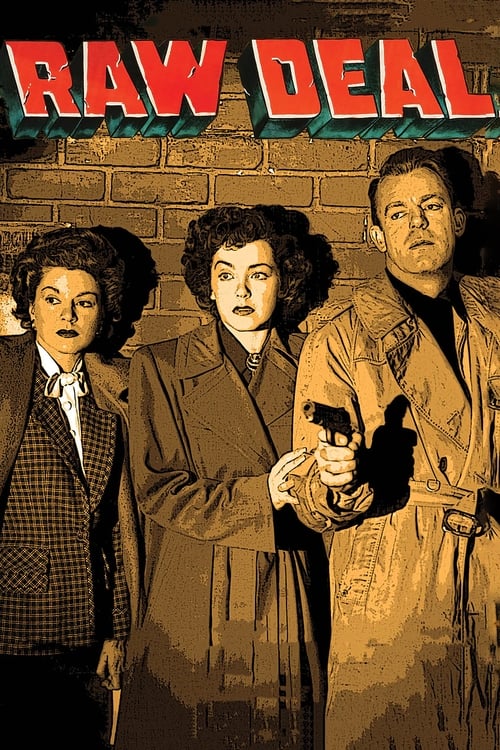
1948
No reviews yet. Be the first to share your thoughts on this movie!
Use the rating form above to leave a star rating and optional review.