
Martin (Hache)
1997
No user ratings available yet
Representation score: 7.7 out of 10
Representation Score
Limited
1991
Director
Rafael Villaseñor Kuri
Runtime
97 minutes
Average Rating
No ratings yetNew Showbiz Analysis
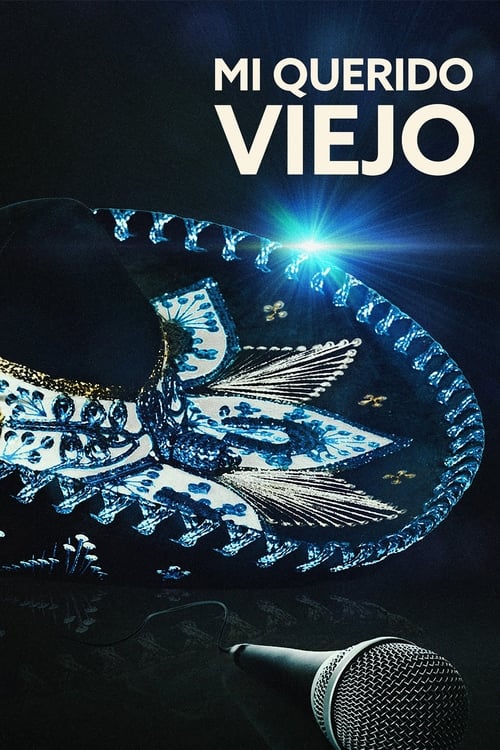
Mi Querido Viejo is a domestic drama centered on the emotional consequences of a failed marriage and the immigrant experience between Mexico and the United States. It succeeds in providing a culturally specific perspective that avoids sanitized media clichés, offering a grounded look at Mexican identity. However, the film adheres to traditional narrative structures. While it questions the idea of a perfect patriarchal household, it does so through interpersonal conflict rather than broader social critique. The absence of diverse representation, particularly regarding LGBTQ+ identities or disability, limits its progressive impact. Ultimately, the film's strength lies in its refusal to idealize the nuclear family, instead emphasizing the volatility of personal ambition and resentment.
Category Breakdown
The film does not include any LGBTQ+ characters or non-cisgender identities. The main storyline revolves around a traditional heterosexual marriage and its eventual breakdown.
Maria Luisa Cortéz plays a significant role in shaping her son's view of his father. However, the narrative leans on traditional feminine stereotypes of bitterness and domestic dysfunction.
As a Mexican production, the film emphasizes Mexican identity and the immigrant experience. It avoids whitewashing by featuring a predominantly Mexican cast and setting.
The story challenges the traditional family unit, presenting it as fragile and susceptible to corruption. It prioritizes individual passion over the stability of conventional domestic structures.
There are no visible or hidden disabilities portrayed as central to the character arcs. The plot does not involve characters dealing with physical or cognitive impairments.
Present on Screen
Limited or Absent
Official Synopsis
Luis Fuentes, a singer of Mexican music, comes to know a journalist by the name of Maria Luisa Cortéz and fall madly in love with each other. In time, the couple gets married and come to have a son, Rafael. However, they soon divorce because of Luis's many commitments as a singer. This strains the relationship between Luis and Maria, so much so that Maria, stung by bitterness, teaches her son to despise his father and manages to move from Mexico to the United States to keep Luis from contacting his son. Luis wants nothing more than to regain his lost relationship and affection with his beloved son. Therefore, time after time he visits Maria in hope of winning over his son's affection with little success. Over time, Rafael, now a young man, comes to have a passion for music just like his father despite having a hatred for him.
1997

2002
2005

1989
1995

1983

1980
1994
No reviews yet. Be the first to share your thoughts on this movie!
Use the rating form above to leave a star rating and optional review.