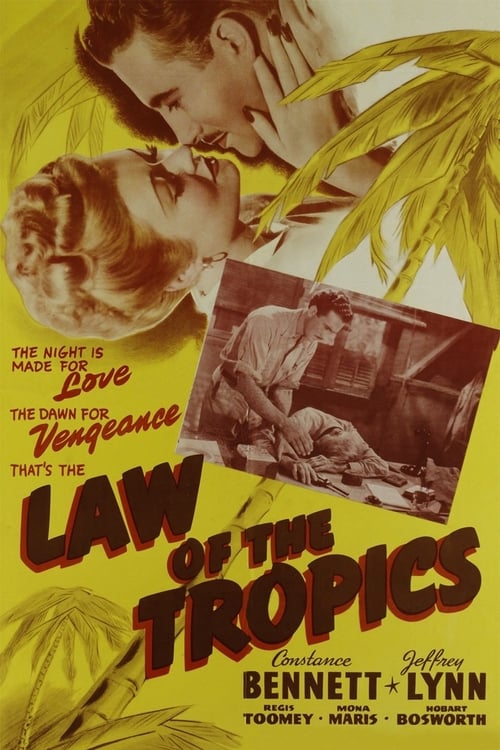
Law of the Tropics
1941
No user ratings available yet
Diversity score: 2.7 out of 10
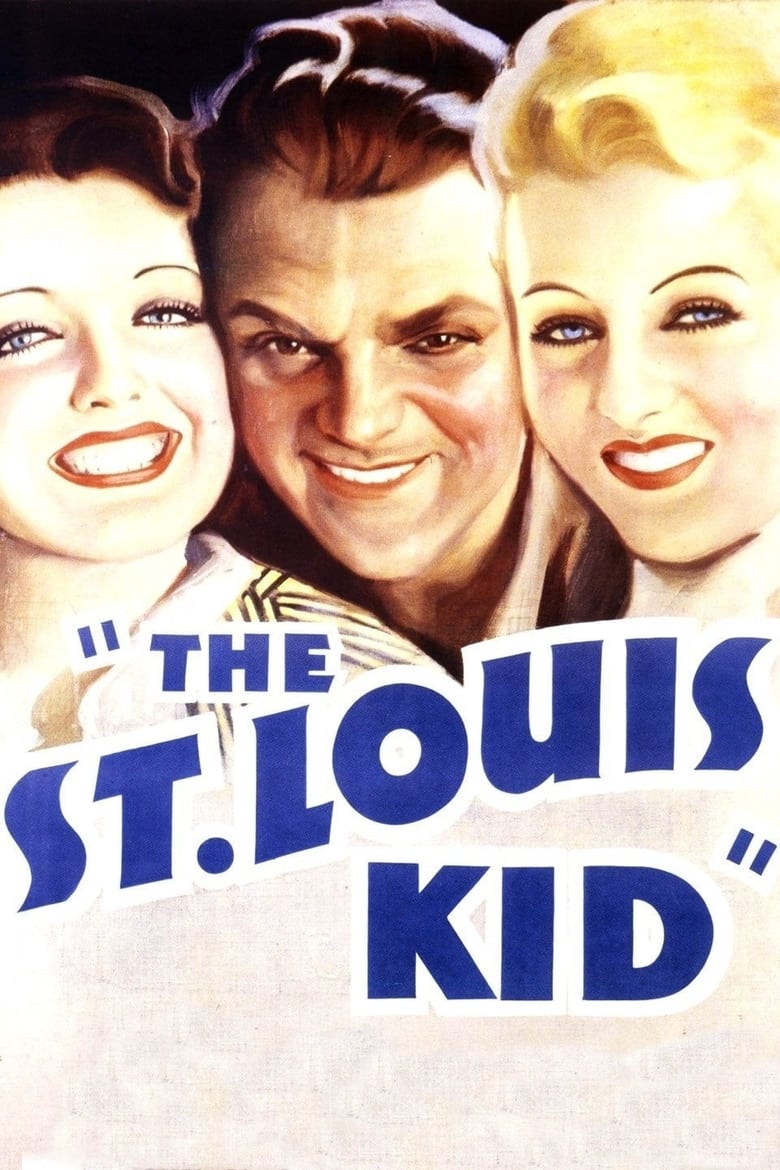
1934
NRDirector
Ray Enright
Runtime
68 minutes
Average Rating
No ratings yetSynopsis
Trucker Eddie Kennedy gets involved with the law when he has an car accident with Ann Reid and knocks the owner of a dairy out. He evades a penalty when he claims, that he had done it as an act of solidarism with the farmers. The farmers start an boycott action against this dairy, so the owner has to bring milk from elsewhere to his dairy, but the farmers closed the road, and Kennedy is arrested once more. He leaves jail at night to meet Ann, but meanwhile the owner has asked some mobsters to deliver the milk. One of the farmers is murdered, Ann Reid is missing and Eddie Kennedy is accused of murder.
Overall Score
Limited
Category Breakdown
LGBTQ+ Representation
The film adheres to conventional romantic tropes of the pre-Code era. There are no non-cisnormative gender identities or narratives that challenge heteronormativity.
Gender Representation
Ann Reid serves as a central figure for plot tension, yet she primarily functions as a catalyst for the male protagonist. The narrative focus remains heavily on the male lead's journey.
Racial & Ethnic Diversity
The production lacks significant racial or ethnic diversity. The cast appears homogeneous, reflecting the standard mainstream commercial cinema of the early 1930s.
Religious & Cultural Diversity
The plot explores class friction through a conflict between organized labor and capitalist interests. It examines the tension between individual legality and collective social action.
Disability Representation
There is no evidence of characters with visible or invisible disabilities. Disability is not utilized as a narrative device in this production.
Strengths
Areas for Improvement
AI Analysis
The St. Louis Kid is a quintessential 1930s genre drama that reinforces the social and demographic norms of its era. While it avoids the intersectional complexity found in modern cinema, it offers a glimpse into historical class tensions. The film's strength lies in its exploration of social institutions and labor conflicts. However, it fails to provide meaningful representation for marginalized identities, including LGBTQ+ individuals, people of color, or those with disabilities. Ultimately, the film functions as a standard crime drama. It relies on traditional gender roles and a homogeneous cast, prioritizing genre-driven plot mechanics over social subversion.
1941

1963
1919
1936
1938

2007
1982

2008

2020
1942
1908
1945
No reviews yet. Be the first to share your thoughts on this movie!
Use the rating form above to leave a star rating and optional review.