
L'incruste
2004
No user ratings available yet
Representation score: 3.5 out of 10
Representation Score
Fair
1981
Director
Patrice Leconte
Runtime
85 minutes
Average Rating
No ratings yetNew Showbiz Analysis
Patrice Leconte’s early comedy relies on traditional character-driven clichés rather than social deconstruction. The film centers on a male protagonist's disruption of a stable household. The narrative lacks complexity in representing multiple aspects of identity, focusing instead on interpersonal friction and economic instability. It adheres to the demographic and relational norms of 1981 French cinema. Ultimately, the film prioritizes comedic chaos over exploring diverse identities or challenging systemic power dynamics.
Category Breakdown
The film focuses on a heterosexual relationship without any queer narratives or non-binary gender identities.
The story centers on a male protagonist who disrupts a stable household. Women do not seem to have much influence over the plot.
The cast appears to be homogeneous, with no indication of a multi-ethnic group.
The story explores economic struggles and social instability using traditional family structures for situational comedy.
There are no characters with physical, sensory, or neurodivergent disabilities mentioned in the film.
Present on Screen
Limited or Absent
Official Synopsis
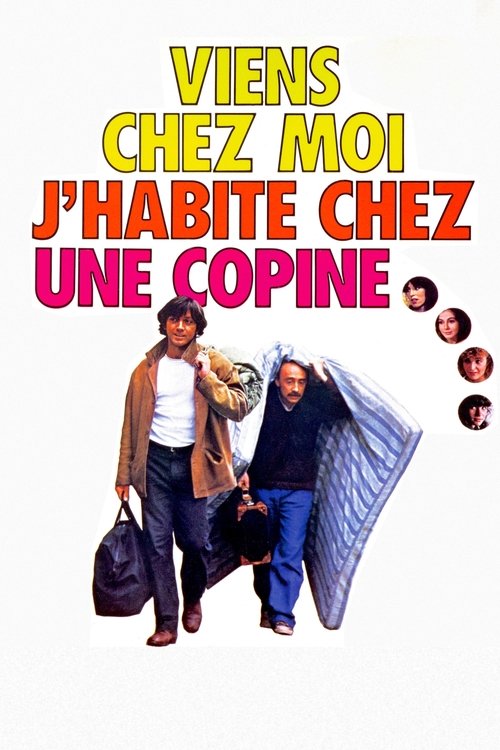
Guy is fired from is job, and asks to stay with his friend and his girlfriend in their apartment. The longer he stays, the more disaster he creates.
2004
1985

1990

2001

1980
1984
1982

2007
No reviews yet. Be the first to share your thoughts on this movie!
Use the rating form above to leave a star rating and optional review.