
Faust and Marguerite
1900
No user ratings available yet
Representation score: 0.1 out of 10
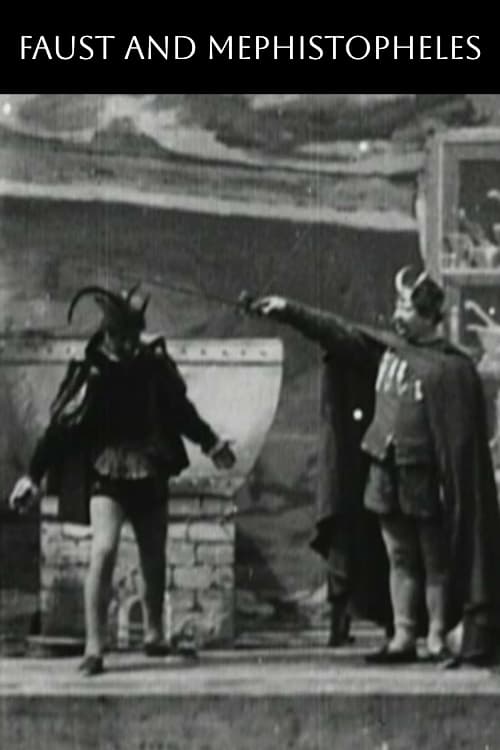
Representation Score
Minimal
1903
Not RatedDirector
Alice Guy-Blaché
Runtime
2 minutes
Average Rating
No ratings yetNew Showbiz Analysis
Alice Guy-Blaché’s work is a foundational piece of cinematic history, particularly for her role as a female pioneer in a male-dominated industry. However, the film's content remains strictly tethered to the classical European literary traditions of its era. The narrative focuses on a homogeneous cast and traditional masculine struggles for power. It prioritizes the reenactment of a classical moral fable over any form of social or identity-based disruption. Ultimately, the film serves as a historical artifact of early storytelling. It reflects the period-appropriate, Western-centric perspectives of the early 20th century rather than modern multi-layered values.
Category Breakdown
The film focuses on the mythological interaction between Faust and Mephistopheles. There is no evidence of queer subtext or non-cisgender identities.
The narrative centers on male protagonists. The film lacks significant women's ability to drive the story or any subversion of traditional gender roles.
Casting reflects a homogeneous demographic consistent with 1903 French theatrical traditions. The film functions as a faithful adaptation of a Western literary tradition.
The story engages with traditional religious and supernatural themes through the Faustian bargain. It operates within established Western morality and theological tensions.
There are no characters with visible or invisible disabilities. No depictions of neurodivergence or physical impairments are used as narrative devices.
Present on Screen
Limited or Absent
Official Synopsis
A re-telling of the classic tale of Faust in all of two minutes by French filmmaker Alice Guy.
1900
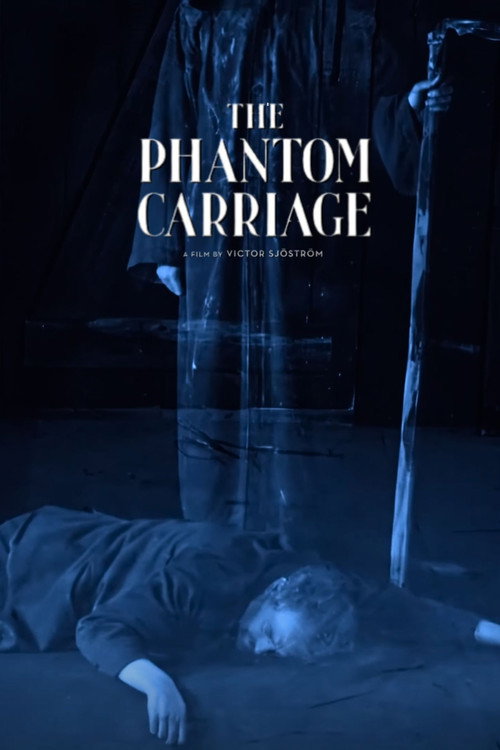
1921
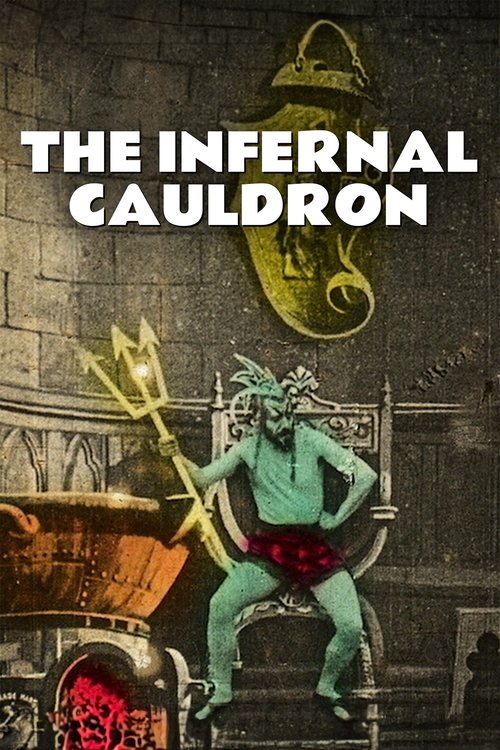
1903
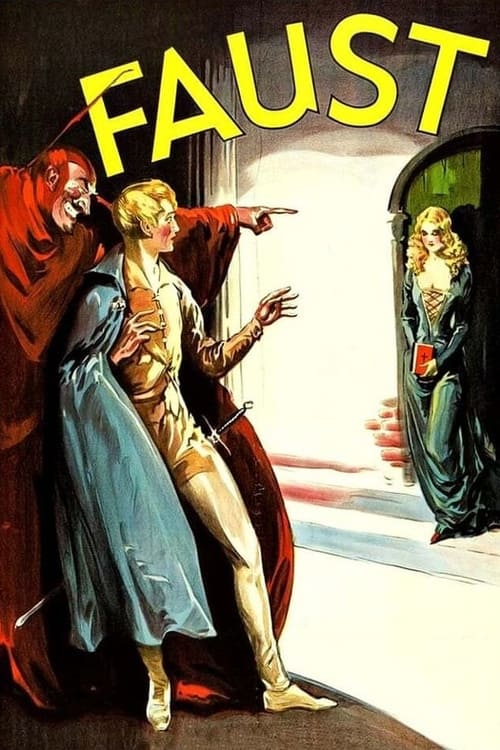
1926

1896

1903
1901
1907
No reviews yet. Be the first to share your thoughts on this movie!
Use the rating form above to leave a star rating and optional review.