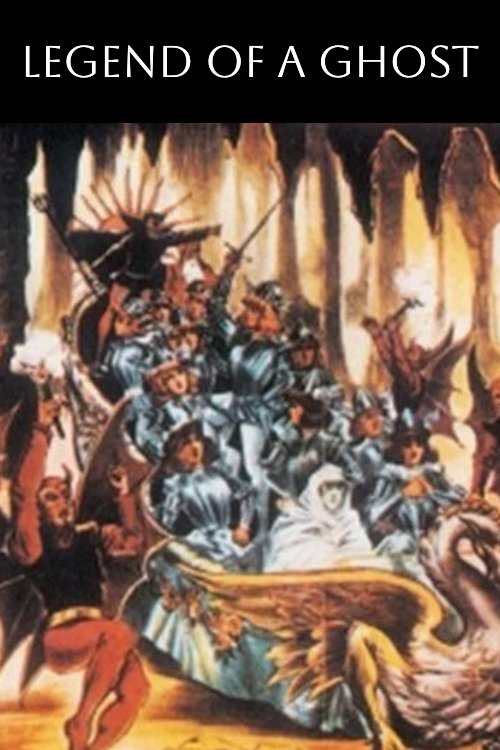
Legend of a Ghost
1908
No user ratings available yet
Representation score: 2.9 out of 10
Representation Score
Minimal
1911
Director
Giuseppe de Liguoro, Francesco Bertolini, Adolfo Padovan
Runtime
72 minutes
Average Rating
No ratings yetNew Showbiz Analysis
This adaptation prioritizes technical innovation and visual grandeur over modern social inclusivity. The narrative is built around a rigid, historical religious framework that reinforces existing hierarchies rather than challenging them. The film relies on classical Western allegory, resulting in a homogeneous cast and a lack of diverse perspectives.
Category Breakdown
The film adheres closely to a medieval theological framework, focusing on Dante's devotion to Beatrice and his relationship with Virgil. There is no queer subtext or representation of non-cisgender identities.
Male characters like Dante and Virgil dominate the narrative ability to act. Beatrice serves as a symbolic spiritual guide but remains a passive figure rather than an independent agent.
The casting reflects the homogeneous European population of the early 20th century. The film relies on allegorical figures that align with the Eurocentric origins of the source text.
The story emphasizes a traditional Western moral framework through a rigid system of divine justice. It presents a singular religious morality where sin is met with absolute punishment.
Grotesque physical changes are used as allegorical punishments for sin. These portrayals serve as symbols of moral failure rather than exploring the lived experiences of those with disabilities.
Present on Screen
Limited or Absent
Official Synopsis
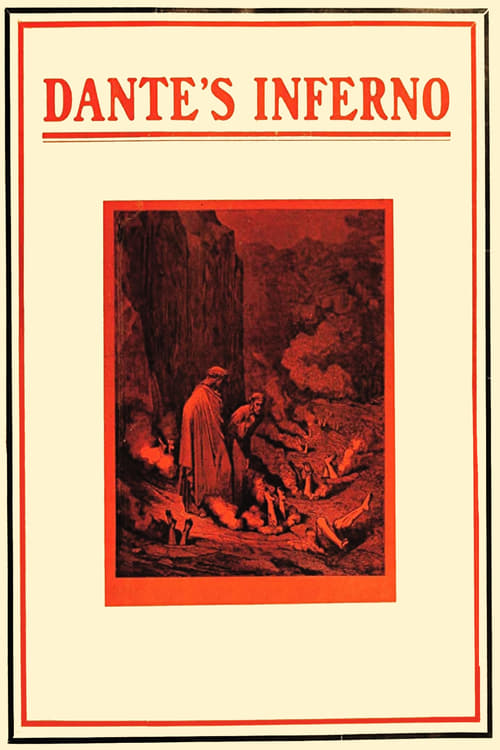
The classic tale of Dante's journey through hell, loosely adapted from the Divine Comedy and inspired by the illustrations of Gustav Doré. This historically important film stands as the first feature from Italy and the oldest fully-surviving feature in the world, and boasts beautiful sets and special effects that stand above other cinema of the era.
1908
1921

1896
1920
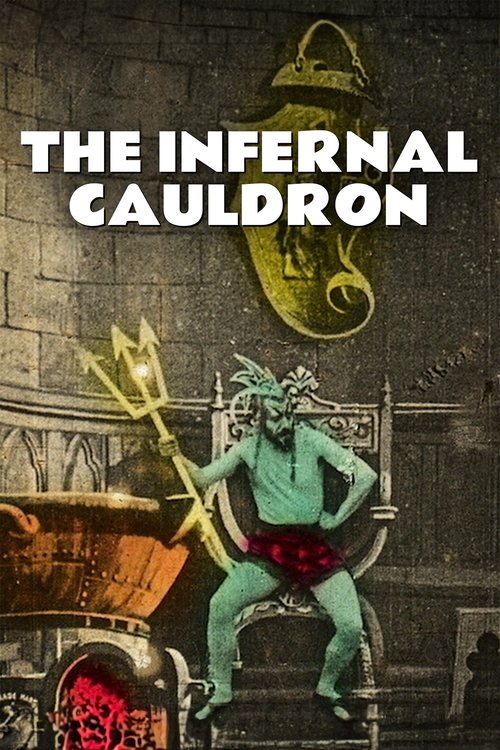
1903
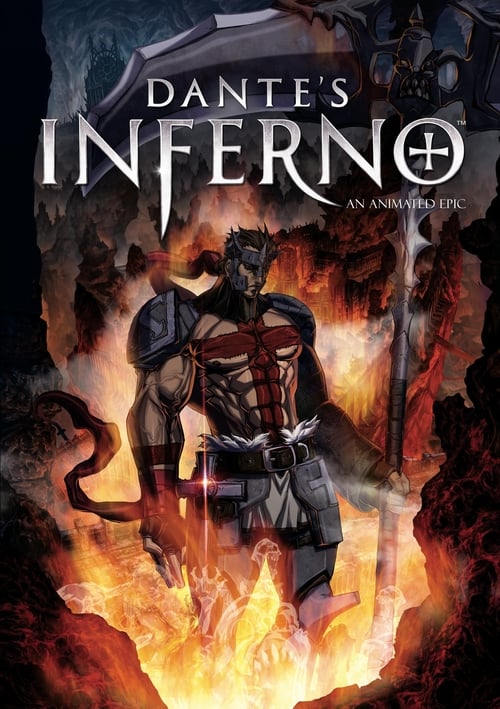
2010
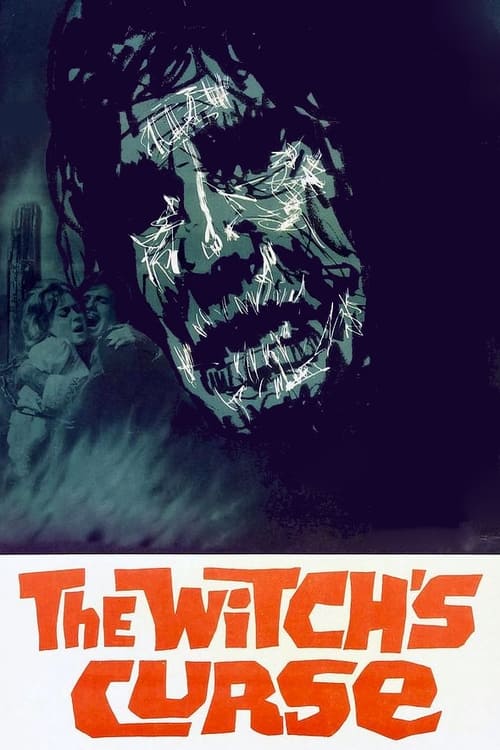
1962
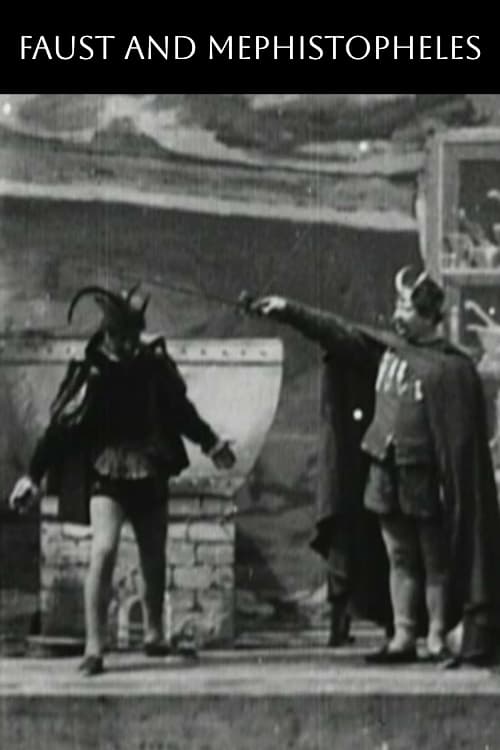
1903
No reviews yet. Be the first to share your thoughts on this movie!
Use the rating form above to leave a star rating and optional review.