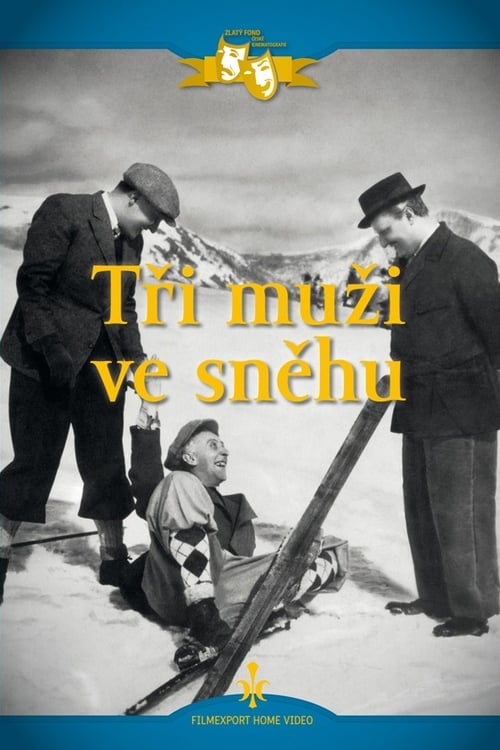
Tři muži ve sněhu
1936
No user ratings available yet
Diversity score: 2.8 out of 10

1945
Director
Konstantin Yudin
Runtime
83 minutes
Average Rating
No ratings yetSynopsis
A funny comedy about a lost twins and a lot of good people who are involved in a search for twins' parents.
Overall Score
Limited
Category Breakdown
LGBTQ+ Representation
The film adheres strictly to 1940s heteronormative standards. There are no depictions of non-cisnormative identities or same-sex romantic dynamics.
Gender Representation
Female leads Olga and Tanya drive the comedic plot and receive significant screen time. However, their agency remains tied to traditional social roles and romantic complications.
Racial & Ethnic Diversity
Casting is predominantly ethnically homogeneous, reflecting the mid-1940s Soviet socio-political landscape. The film lacks intentional ethnic blending or race-bending.
Religious & Cultural Diversity
The narrative emphasizes socialist cohesion and communal joy through the lens of socialist realism. It prioritizes social stability over individualistic or Western models.
Disability Representation
There is no representation of neurodivergent or physically disabled characters. Disability is neither integrated into character arcs nor used as a plot device.
Strengths
Areas for Improvement
AI Analysis
Twins (1945) is a quintessential mid-century Soviet musical comedy that prioritizes social cohesion and traditional narrative structures. While it offers central roles for women, the film operates within the rigid ideological and demographic constraints of its era. The production lacks intersectional complexity, offering a homogeneous cast and a strictly heteronormative framework. It functions as a reflection of state-sanctioned cinema, focusing on familial reconnection and communal harmony rather than identity politics. Ultimately, the film serves as a period piece that reinforces established social norms and demographic expectations of the 1940s Soviet Union.
1936
1948
1938
1952
1951

1956
1964
1983

1995
1957
1941
1937
No reviews yet. Be the first to share your thoughts on this movie!
Use the rating form above to leave a star rating and optional review.