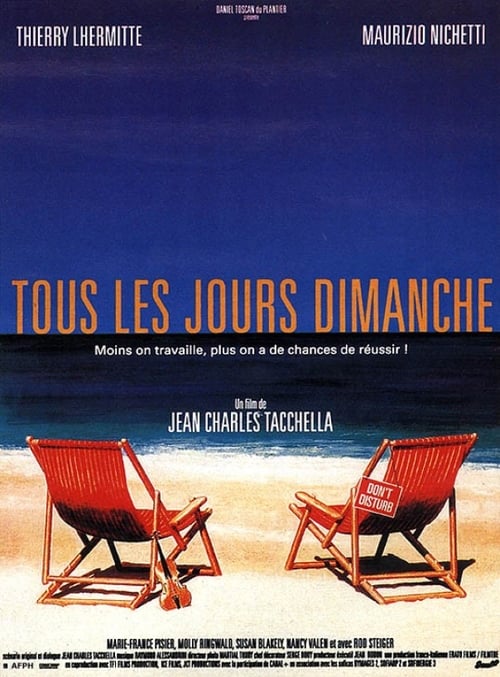
Seven Sundays
1995
No user ratings available yet
Representation score: 4.0 out of 10

Representation Score
Fair
1995
Director
Étienne Chatiliez
Runtime
106 minutes
Average Rating
No ratings yetNew Showbiz Analysis
Étienne Chatiliez presents a character-driven comedy that relies on regional identity and social absurdity rather than diverse representation. The film functions as a traditional ensemble piece rooted in a conventional mid-90s European social reality. While the film offers depth through its satirical look at interpersonal neuroses, it does not aim to disrupt traditional demographic or systemic hierarchies. It prioritizes the comedic tension of the nuclear family over progressive identity-based storytelling. Ultimately, the work remains a study of socioeconomic and regional distinctions, offering little engagement with multi-layered or non-traditional demographic perspectives.
Category Breakdown
The film focuses on traditional heterosexual relationships and does not include any non-straight or non-cisgender identities. There is no depiction of same-sex relationships or non-binary identities.
Women are portrayed as influential figures in interpersonal dynamics rather than passive characters. However, the film does not challenge traditional gender roles or male authority.
The cast represents a homogeneous group reflecting mid-90s French society. The story emphasizes socioeconomic and regional identity without highlighting ethnic diversity.
The story uses situational ethics and moral relativism as comedic elements. It portrays the nuclear family and small-scale capitalism as settings for personal neuroses.
There are no characters with visible or invisible disabilities. The film focuses on the social absurdities of the neurotypical majority.
Present on Screen
Limited or Absent
Official Synopsis
Francis, the boss of a small plumbing supply company, is harassed by tax collectors, striking employees, and an impossible wife and daughter. His only joy is sharing lunch with his friend Gerard. Then a TV show called "where are you?" shows a woman from Gers who is searching for her husband who disappeared 28 years ago. The lost husband looks like an identical twin of Francis...
1995

1996

2002
1970
1971

2002

2010

2018
No reviews yet. Be the first to share your thoughts on this movie!
Use the rating form above to leave a star rating and optional review.