
Breach
2007
No user ratings available yet
Representation score: 1.3 out of 10
Representation Score
Minimal
2006
RDirector
Robert De Niro
Runtime
167 minutes
Average Rating
No ratings yetNew Showbiz Analysis
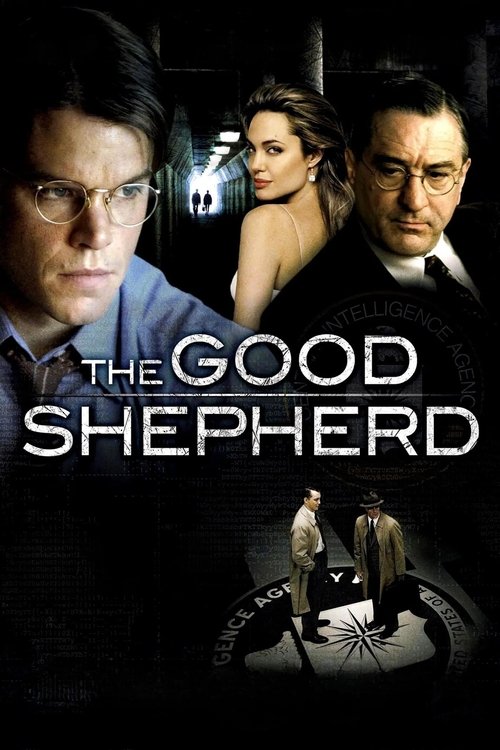
The Good Shepherd is set in a historical context that emphasizes psychological realism and the intersection of individual identity and state power. Its narrative is rooted in the traditional structures of the mid-20th century, focusing on the closed social circles of the era's elite. As the film aims for historical authenticity, it presents a largely homogeneous and Anglo-Saxon social environment, resulting in a lack of racial and LGBTQ+ diversity. While it explores complex themes of moral relativism, it does not provide significant representation of gender ability to act or diverse cultural perspectives.
Category Breakdown
The film focuses on heterosexual and cisgender relationships, with no representation of LGBTQ+ identities or critiques of the assumption that everyone is straight or cisgender.
The film portrays a patriarchal structure where female characters are often defined by their relationships to men and have limited control over their own lives.
The cast is predominantly white, reflecting the Anglo-Saxon social circles of the time, without utilizing diverse perspectives to challenge the era's power structures.
The story delves into moral relativism and the sacrifices made for national security, but it remains firmly within Western institutional frameworks.
The film does not depict any significant representations of visible or invisible disabilities or neurodivergence as central narrative drivers.
Present on Screen
Limited or Absent
Official Synopsis
Edward Wilson, the only witness to his father's suicide and member of the Skull and Bones Society while a student at Yale, is a morally upright young man who values honor and discretion, qualities that help him to be recruited for a career in the newly founded OSS. His dedication to his work does not come without a price though, leading him to sacrifice his ideals and eventually his family.
2007

1975

2020

1965

2012

2018

2017
1985
No reviews yet. Be the first to share your thoughts on this movie!
Use the rating form above to leave a star rating and optional review.