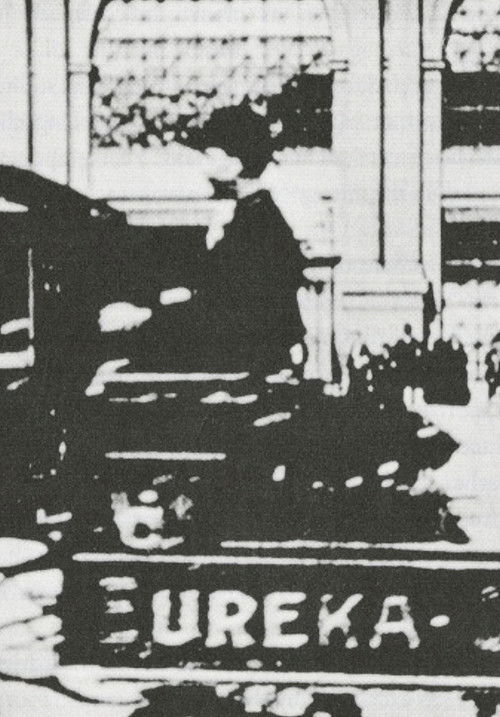
Eureka
1974
No user ratings available yet
Representation score: 0.6 out of 10
Representation Score
Minimal
1992
Director
Ernie Gehr
Runtime
41 minutes
Average Rating
No ratings yetNew Showbiz Analysis
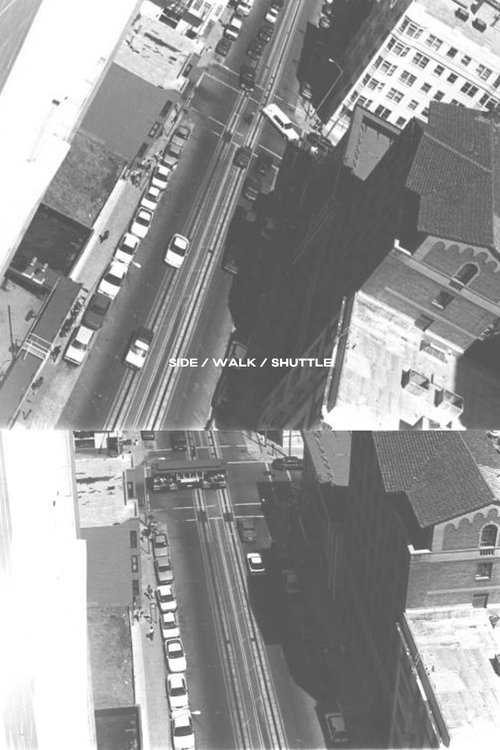
Ernie Gehr’s work is a study of pure structural cinema, prioritizing the formal properties of time and movement over human subjects. By using a glass elevator to disrupt perceptions of gravity, the film creates a sensory experience of urban flux. Since the film intentionally removes narrative, character, and dialogue, it exists outside the framework of identity politics. The absence of people means the film cannot engage with social hierarchies or representation. Ultimately, the work is an aesthetic deconstruction of the medium. It focuses on the mechanics of the camera and the rearrangement of space rather than the depiction of social identity.
Category Breakdown
The film is a formalist experiment focused on the geometry of motion. Since it doesn't include human characters or dialogue, there is no depiction of sexual orientation or gender identity.
The narrative centers on camera mechanics and the architecture of San Francisco. Without gendered characters, there is no reinforcement or subversion of traditional gender roles.
The film explores a cityscape through a shifting perspective. However, the lack of character focus means there is no assessment of racial representation or ability to act.
The film offers an abstracted view of a Western urban environment. While it challenges cohesive truths through postmodernism, it does not explicitly address systemic oppression.
The visual experience is characterized by the rhythmic, repetitive movement of an elevator. There are no characters with visible or invisible disabilities depicted.
Present on Screen
Limited or Absent
Official Synopsis
In this infamous structural film, Ernie Gehr takes to the glass elevator attached to San Francisco's Fairmont Hotel and rides its 24 stories up and down, constantly shifting the orientation of his camera to offer images of the city as a zone of constant flux, freed from gravity and in perpetual rearrangement.
1974

1929

1969

1983
1964

2013

2019
2002
No reviews yet. Be the first to share your thoughts on this movie!
Use the rating form above to leave a star rating and optional review.