Kartini: Princess of Java
2017
No user ratings available yet
Representation score: 4.8 out of 10
Representation Score
Good
2022
Director
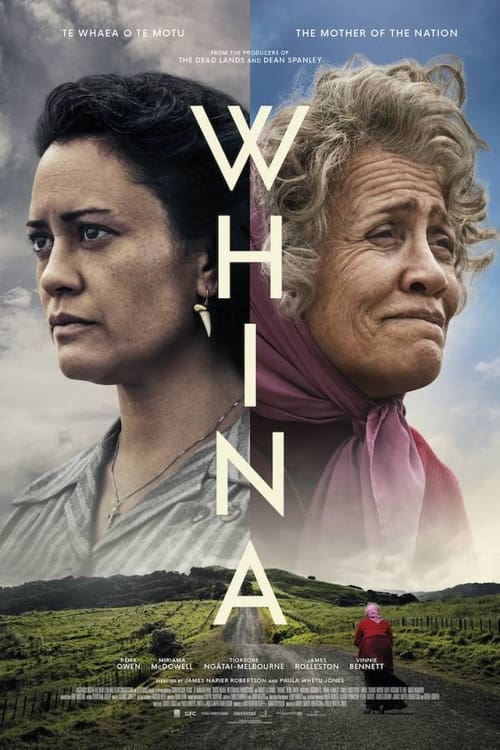
James Napier Robertson, Paula Whetu Jones
Runtime
112 minutes
Average Rating
No ratings yetNew Showbiz Analysis
Whina is a powerful piece of decolonial cinema that centers Māori sovereignty and female leadership. By focusing on the life of Dame Whina Cooper, the film disrupts traditional Eurocentric historical narratives and replaces them with an indigenous-centric lens. The film excels in its portrayal of gender and racial identity, presenting a matriarchal force that navigates complex power dynamics. It successfully integrates gendered leadership with a robust critique of colonial institutions. While the narrative lacks explicit LGBTQ+ representation, its strength lies in its deep engagement with indigenous spirituality and the reclamation of land rights.
Category Breakdown
The film focuses on the historical and political journey of Dame Whina Cooper and Māori land rights. It does not center queer narratives or non-straight identities.
Whina Cooper is portrayed as a powerful matriarchal force rather than a submissive figure. The narrative elevates female leadership to a central, transformative role in New Zealand history.
This film is a profound example of indigenous-led representation. It features a predominantly Māori cast and centers the Māori experience to challenge Anglo-Saxon historical dominance.
The story prioritizes indigenous spirituality and communal values over Western norms. It frames the struggle for land rights as a necessary resistance against colonial structures.
There is no significant evidence regarding the portrayal of visible or invisible disabilities within the biographical context provided.
Present on Screen
Limited or Absent
Official Synopsis
The story of Dame Whina Cooper, the beloved Māori matriarch who worked tirelessly to improve the rights of her people, especially women. Flawed yet resilient, Whina tells the story of a woman formed by tradition, compelled by innovation, and guided by an instinct for equality and justice whose legacy as the Te Whaea o te Motu (Mother of the Nation) was an inspiration to an entire country.
2017

2018
2022

2015

2025
2010
1997
2019
No reviews yet. Be the first to share your thoughts on this movie!
Use the rating form above to leave a star rating and optional review.