
Ganga Zumba
1963
No user ratings available yet
Representation score: 5.7 out of 10
Representation Score
Good
1977
Director
Sergio Giral
Runtime
97 minutes
Average Rating
No ratings yetNew Showbiz Analysis
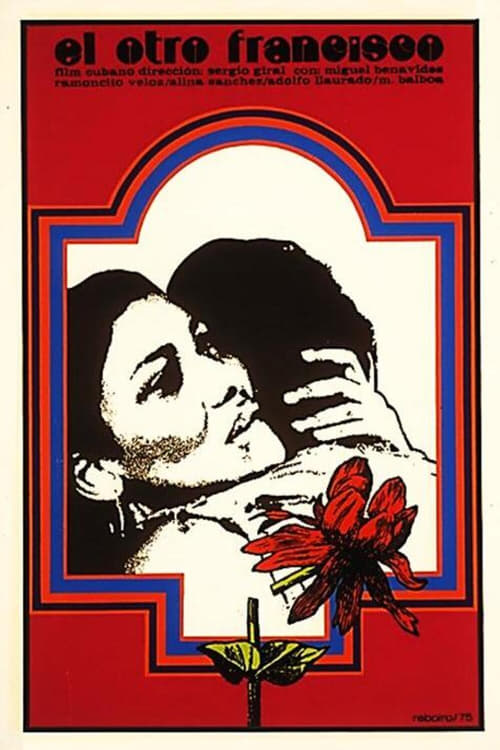
The film 'The Other Francisco' stands out by rejecting the romanticized, sanitized versions of plantation life often portrayed in historical dramas. Instead, it employs a socio-economic lens to reveal the brutal realities of slavery and class struggle across the Americas. The film's strength lies in its dedication to historical revisionism. By deconstructing colonialist myths, it centers the systemic oppression faced by enslaved populations and critiques the institutions that maintained these hierarchies. However, the film's focus on broad socio-political structures leaves little room for individual representation of LGBTQ+ identities or disability.
Category Breakdown
The film does not include explicit LGBTQ+ characters or narratives that challenge the assumption that everyone is straight. Instead, it focuses on the broader themes of class and slavery within a historical context.
The story moves away from idealized feminine archetypes commonly found in plantation tales. It emphasizes the harsh realities of labor and survival rather than traditional domestic roles.
The film highlights the experiences of enslaved people by contrasting romanticized myths with historical realities. It uses the history of the Americas to critique racial oppression and systemic inequality.
The story challenges sanitized views of the era through a socio-economic analysis of colonial corruption. It adopts an anti-colonial perspective to deconstruct the myth of the plantation.
There is no mention of characters with visible or invisible disabilities in the narrative.
Present on Screen
Limited or Absent
Official Synopsis
Based on the novel Francisco by Anselmo Suárez y Romero, "The Other Francisco" is a socio-economic analysis of slavery and class struggle through the retelling of the original novel. The film contrasts the romantic conceptions of plantation life found in Suárez Romero's novel with a realistic expose of the actual historical conditions of slavery throughout the Americas. It offers a critical analysis of the novel, showing how the author's social background led to his use of particular dramatic structures to convey his liberal, humanitarian viewpoint.
1963
1954
2013
1985
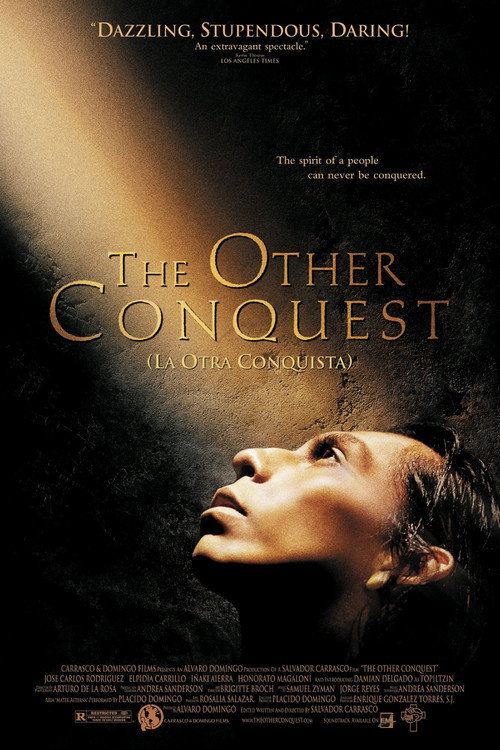
1999
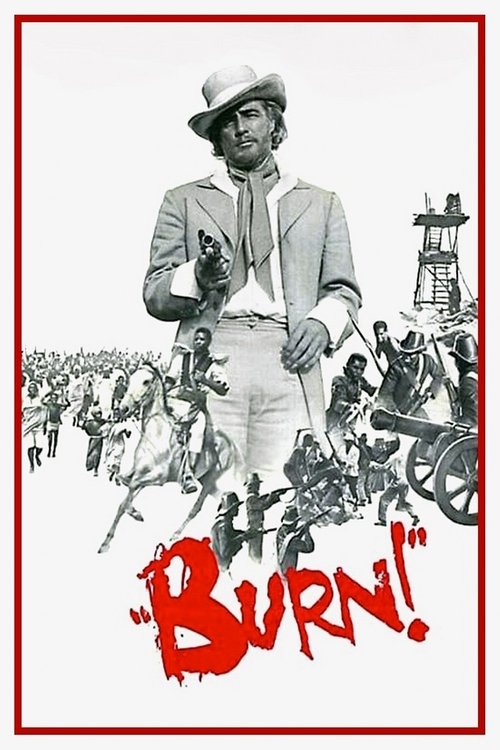
1969
2017
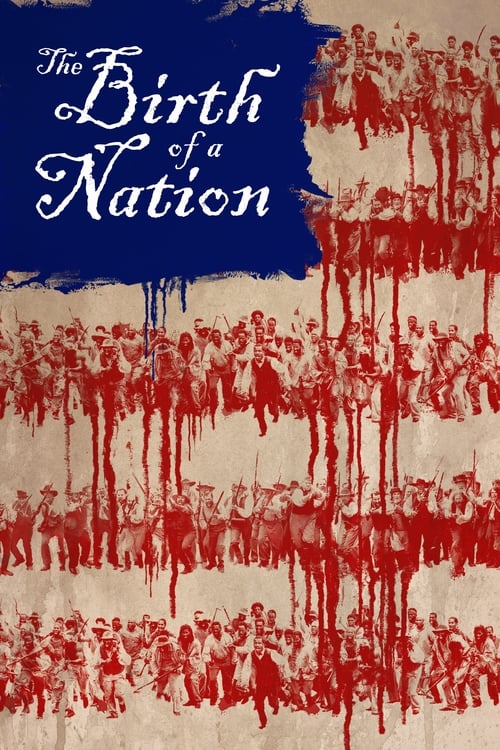
2016
No reviews yet. Be the first to share your thoughts on this movie!
Use the rating form above to leave a star rating and optional review.