Account Rendered
1957
No user ratings available yet
Representation score: 1.9 out of 10
Representation Score
Limited
1949
Director
Roy Ward Baker
Runtime
86 minutes
Average Rating
No ratings yetNew Showbiz Analysis
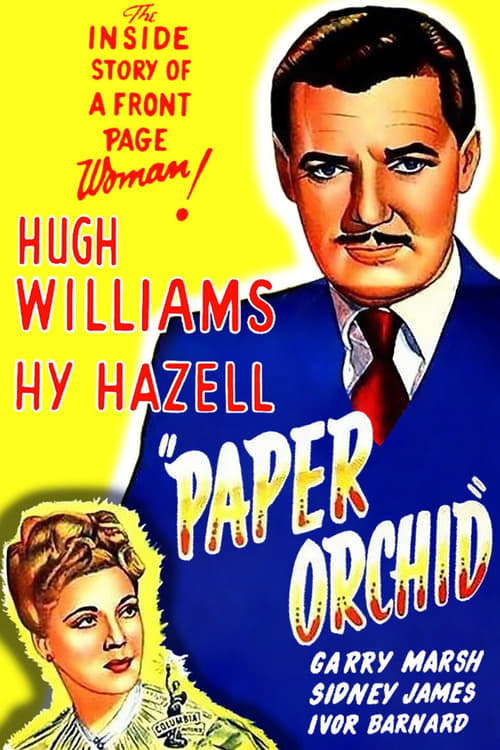
Paper Orchid is a product of its time, functioning as a standard mid-century British crime drama. The film follows established genre clichés that prioritize social stability and traditional moral frameworks over progressive narrative subversion. While the film features prominent actors like Hy Hazell and Hugh Williams, the character dynamics remain within conventional parameters. The production lacks significant diversity in terms of race, gender roles, or sexual orientation, reflecting the demographic homogeneity of 1949 Britain. Ultimately, the film serves as a representative example of post-war mystery storytelling, upholding existing social hierarchies rather than challenging them.
Category Breakdown
The film does not include non-binary gender identities or same-sex relationships, sticking to the assumption that everyone is straight or cisgender.
Hy Hazell plays a significant role, but female characters are confined to traditional domestic or romantic roles. Women do not disrupt established hierarchies.
The production reflects the demographic homogeneity of its time. The cast lacks non-Anglo-Saxon representation, focusing on a traditional Western social environment.
The narrative operates within a standard post-war moral framework. It reinforces social stability and legal institutions rather than critiquing Western social orders.
There is no documented evidence regarding the inclusion of characters with physical or neurodivergent disabilities within the film's narrative.
Present on Screen
Limited or Absent
Official Synopsis
Paper Orchid is a 1949 British crime film directed by Roy Ward Baker, with a script written by Val Guest. It featured Hugh Williams, Hy Hazell and Garry Marsh. It is perhaps most notable for an early film appearance of Sid James, later to find success through the Carry On series.
1957

1946

1948
1952
1951
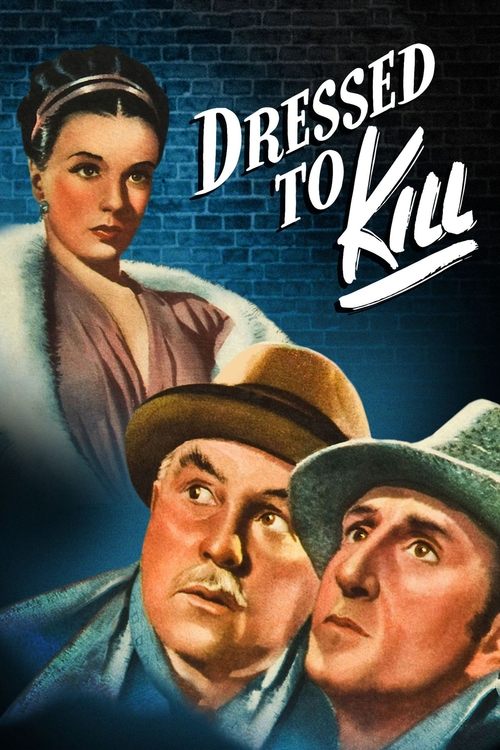
1946
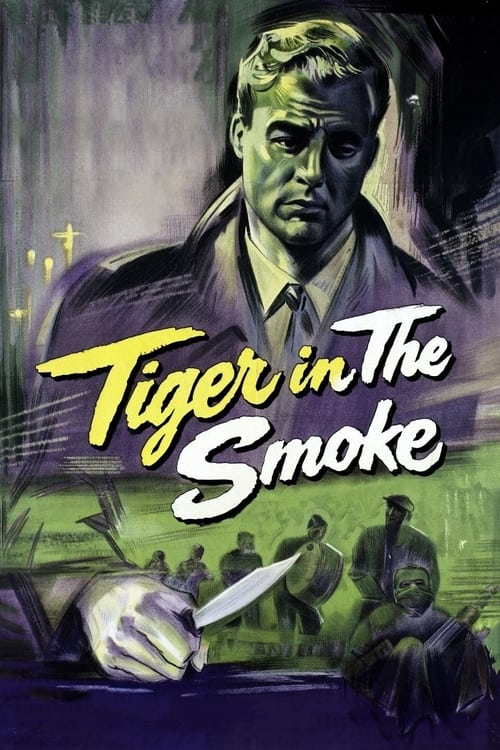
1956
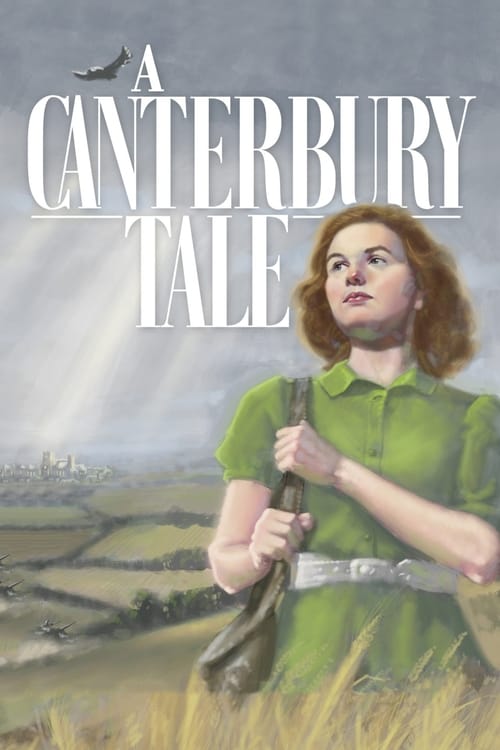
1944
No reviews yet. Be the first to share your thoughts on this movie!
Use the rating form above to leave a star rating and optional review.