Trap Happy Porky
1945
No user ratings available yet
Representation score: 0.5 out of 10
Representation Score
Minimal
1936
NRDirector
David Hand
Runtime
9 minutes
Average Rating
No ratings yetNew Showbiz Analysis
Three Blind Mouseketeers is a classic example of early 20th-century studio animation, prioritizing physical comedy and slapstick timing over character depth. The narrative follows a cyclical pattern of evasion and pursuit between mice and a cat, relying on universal comedic clichés. Because the film is rooted in the structural conventions of 1936, it lacks the layered representation required for modern storytelling. It operates within a vacuum of human social structures, focusing on the predator-prey dynamic rather than identity-based narratives. Ultimately, the work functions as a pure comedic exercise. It does not attempt to deconstruct social hierarchies or provide meaningful depictions of disability, instead using character traits as tools for physical humor.
Category Breakdown
The film focuses entirely on a predator-prey chase between animals. There is no presence of LGBTQ+ identities or social commentary regarding heteronormativity.
Characters function as archetypal comedic entities within a species-based dynamic. The narrative lacks any exploration of gendered roles or subversion of gender hierarchies.
The story utilizes anthropomorphic animals in a vacuum. It contains no evidence of racial or ethnic casting or human social metaphors.
The short adheres to traditional 1930s comedic structures. It avoids religious, political, or systemic themes in favor of a simplified view of nature.
Visual impairment serves as a slapstick plot mechanism rather than a nuanced portrayal. The characters' blindness is used for humor rather than depicting lived experience.
Present on Screen
Limited or Absent
Official Synopsis
As the title implies, the three blind mice are musketeers. The cat sets a number of traps for them, which they all evade (apparently without realizing it) while he sleeps. The cat eventually wakes up and begins chasing them unsuccessfully, thanks to their teamwork.
1945
1937
1941
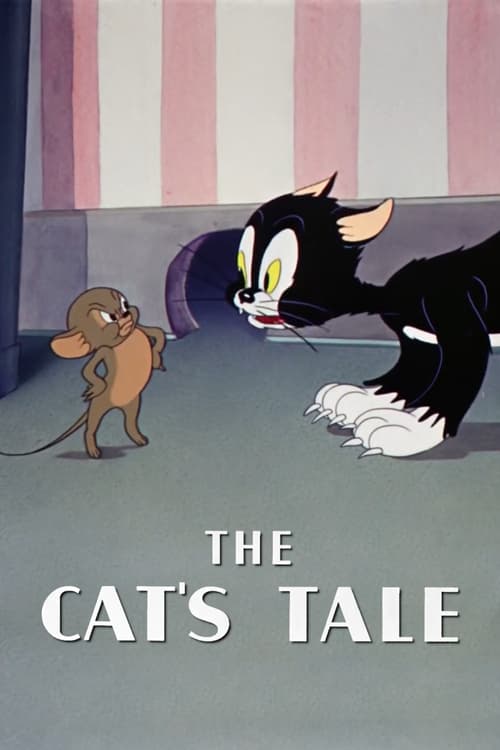
1941
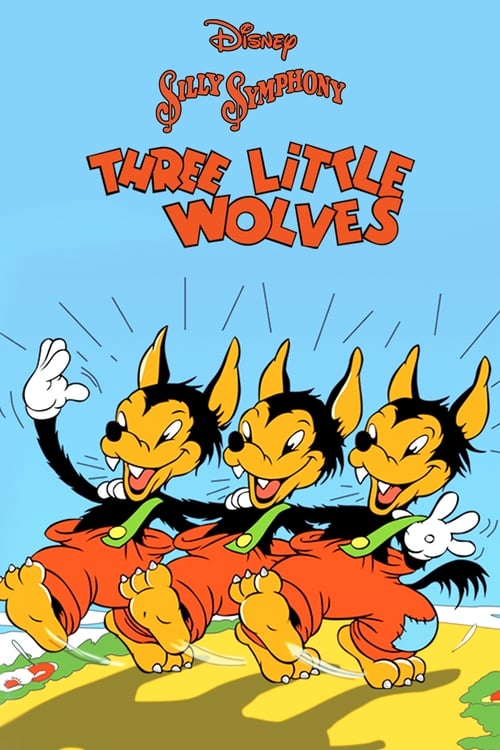
1936
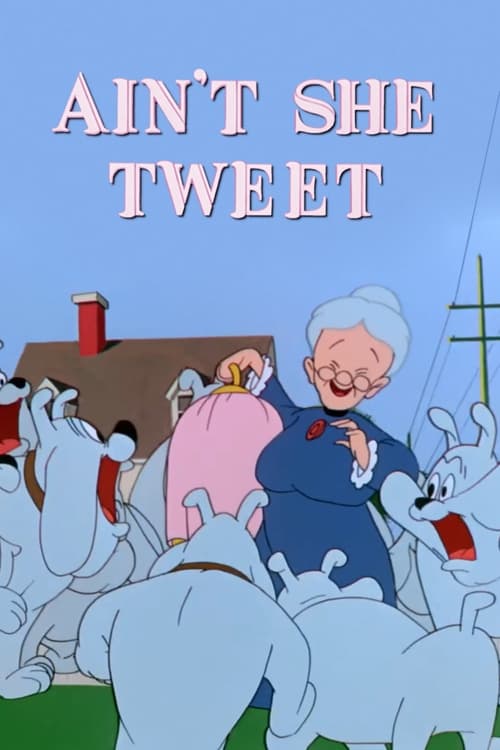
1952
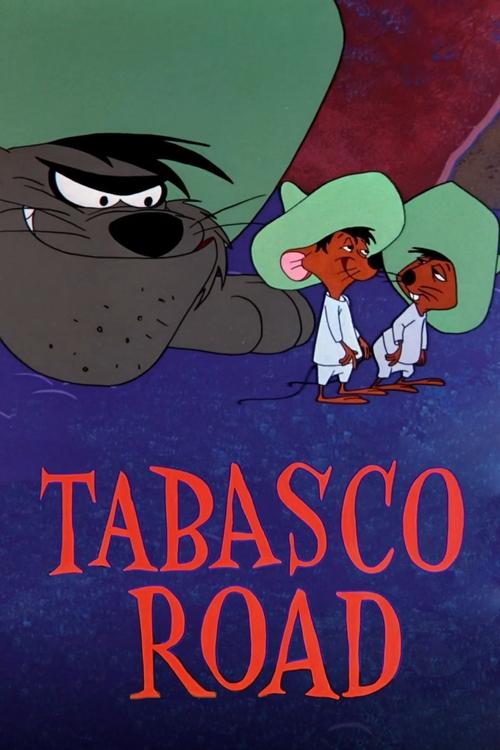
1957
1946
No reviews yet. Be the first to share your thoughts on this movie!
Use the rating form above to leave a star rating and optional review.