
Violent Playground
1958
No user ratings available yet
Diversity score: 3.4 out of 10
1952
Director
Basil Dearden
Runtime
86 minutes
Average Rating
No ratings yetSynopsis
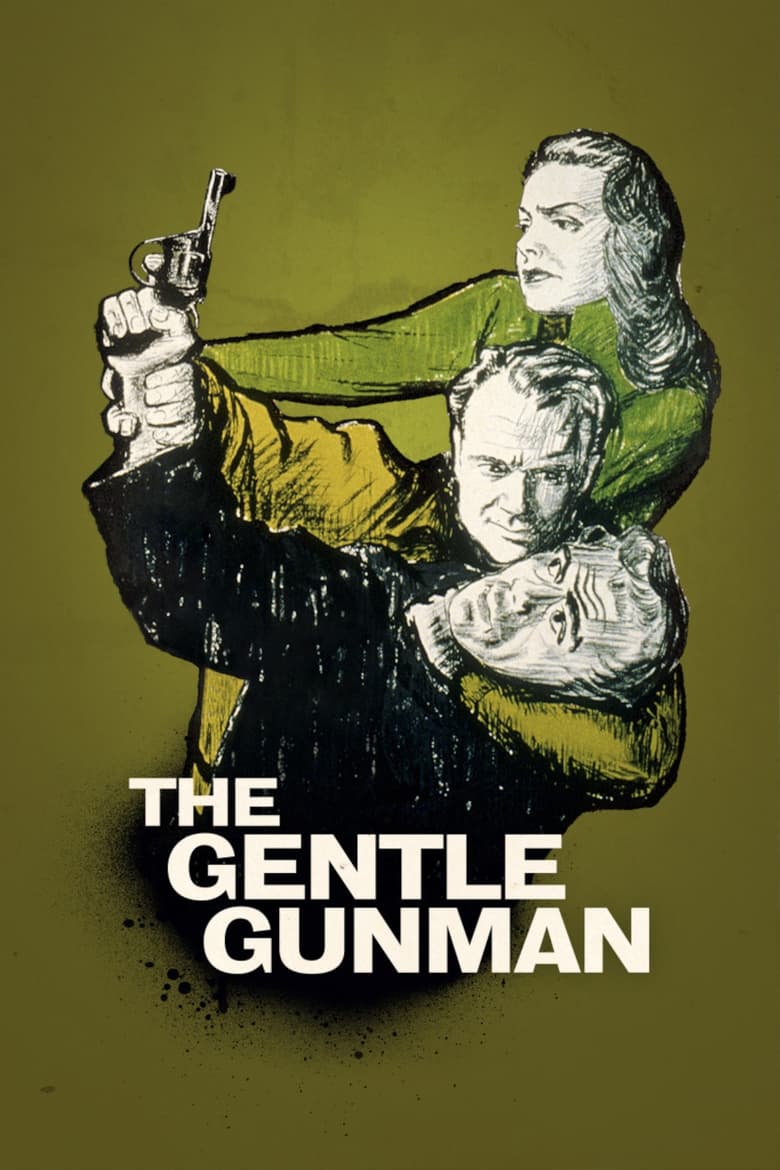
The relationship between brothers Terry and Matt, both active in the IRA, comes under strain when Terry begins to question the use of violence.
Overall Score
Minimal
Category Breakdown
LGBTQ+ Representation
The film focuses on fraternal bonds and male-dominated political struggles. It contains no non-cisnormative identities or narratives that challenge heteronormativity.
Gender Representation
The narrative emphasizes masculine camaraderie and patriarchal political structures. Women occupy traditional, peripheral roles that do not disrupt established gender hierarchies.
Racial & Ethnic Diversity
The cast and setting are predominantly homogeneous, reflecting the social constraints of 1952 Britain. The film lacks characters from diverse ethnic backgrounds.
Religious & Cultural Diversity
The story explores internal fractures caused by political extremism within the IRA. It critiques socioeconomic structures through its focus on working-class urban decay.
Disability Representation
There are no visible or invisible disabilities portrayed with agency. No characters have narratives shaped by neurodivergence or physical impairment.
Strengths
Areas for Improvement
AI Analysis
The Gentle Gunman functions as a character study of moral conflict within a specific political movement. It succeeds in exploring the tension between violent ideology and individual conscience, offering a nuanced critique of institutional stability. However, the film is deeply rooted in the social constraints of its era. The narrative architecture relies on traditional masculine archetypes and a largely Anglo-centric, homogeneous landscape, offering little engagement with intersectional identities. Ultimately, while the film provides a sophisticated look at subjective morality, it lacks the representation of gender, race, or disability found in more progressive storytelling.
1958

1973
1948
1998
1976

2010
1990
1960
1947
1952
1958
1959
No reviews yet. Be the first to share your thoughts on this movie!
Use the rating form above to leave a star rating and optional review.