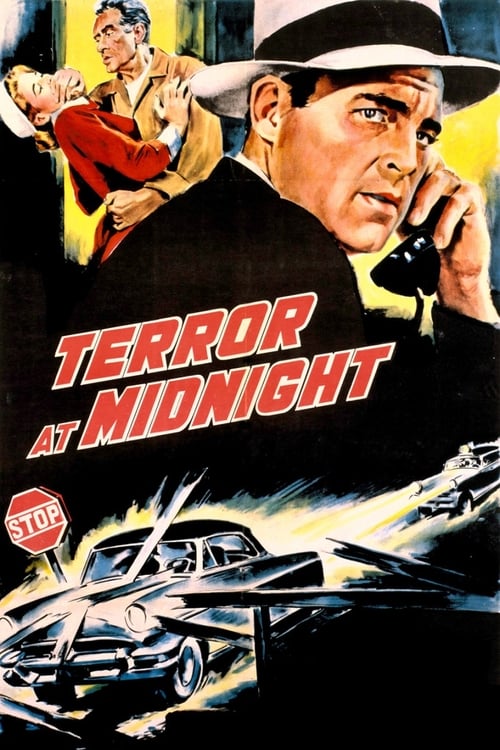
Terror at Midnight
1956
No user ratings available yet
Diversity score: 1.4 out of 10

1959
Director
Gerd Oswald
Runtime
88 minutes
Average Rating
No ratings yetSynopsis
A motorcycle gang in post-war Germany wreaks havok on a town, until one of their members begins to have second thoughts after a run-in with the police.
Overall Score
Minimal
Category Breakdown
LGBTQ+ Representation
The film lacks LGBTQ+ characters or any exploration of non-heteronormative identities. It operates strictly within the standard social parameters of the late 1950s.
Gender Representation
Gender hierarchies are traditional, with authority centralized in male protagonists. Female characters are relegated to domestic or communal supporting roles without challenging masculine leadership.
Racial & Ethnic Diversity
Agency is heavily concentrated within the white colonial administration. The local population serves primarily as a backdrop to the central protagonist's administrative struggles.
Religious & Cultural Diversity
The narrative focuses on Western governance and the preservation of order. It lacks critique of colonial institutions, viewing them through a lens of management and survival.
Disability Representation
There is no discernible representation of physical, sensory, or neurodivergent disabilities within the primary cast or central plot arcs.
Strengths
Areas for Improvement
AI Analysis
The film functions as a period-specific survival drama that reinforces the social and racial hierarchies of its era. It prioritizes the perspective of colonial authority, centering the narrative on the maintenance of Western institutional order during a natural catastrophe. Power dynamics are presented observationally rather than critically. The film adheres to conventional mid-century structures, offering no disruption to prevailing social norms regarding gender or colonial administration.
1956

1954
1961
1965
1955
1958

1957
1969
1960
1955
1946
1976
No reviews yet. Be the first to share your thoughts on this movie!
Use the rating form above to leave a star rating and optional review.