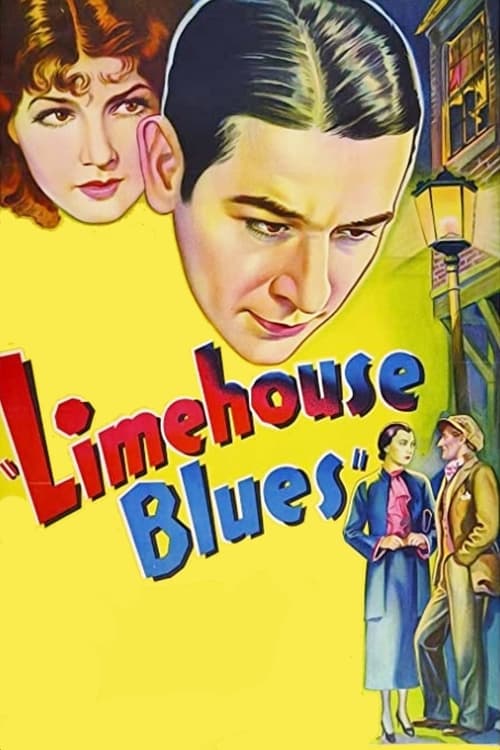
Limehouse Blues
1934
No user ratings available yet
Diversity score: 3.8 out of 10
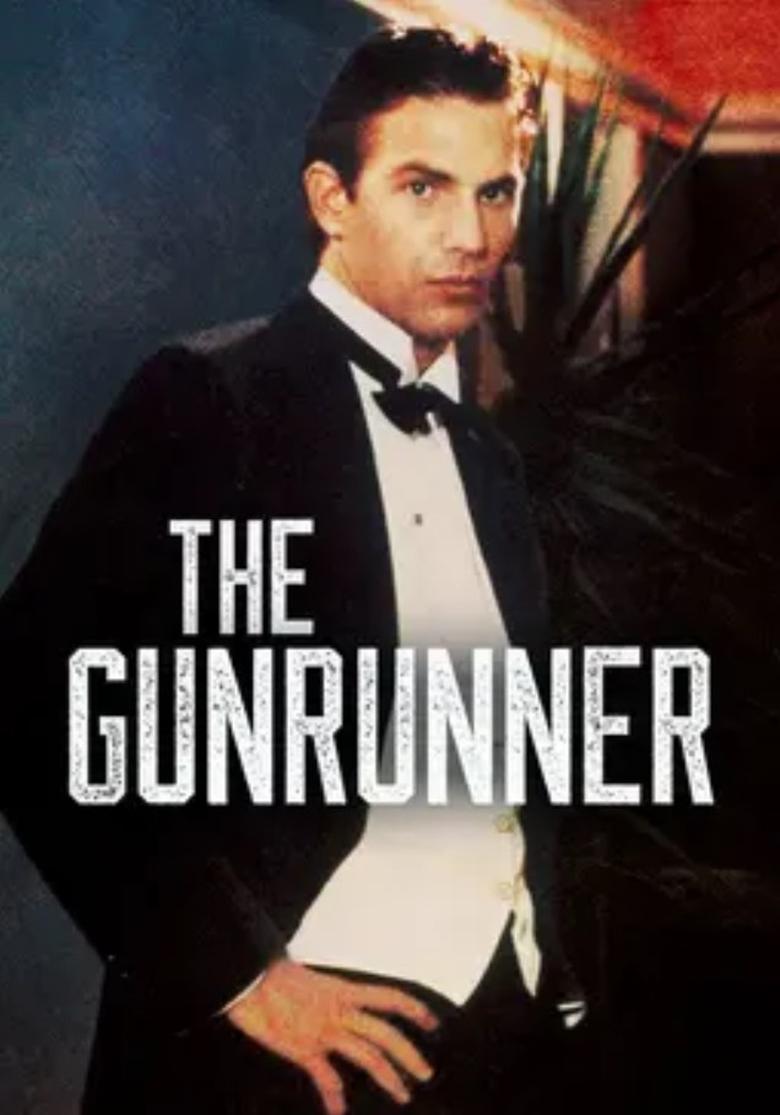
1990
RDirector
Nardo Castillo
Runtime
92 minutes
Average Rating
No ratings yetSynopsis
1926. The Chinese Civil War. Drifter Ted Beaubien is captured and forced to witness his girlfriend's execution. He finally escapes and vows to avenge her death by taking on a deadly mission to buy guns abroad and smuggle them back. Arriving in his hometown, Ted is shocked to find his elderly mother and younger brother George are penniless. But time is running out, and before he can help them, he's got to get the guns. In setting up the deal, Ted meets and falls for the seductive nightclub owner Maud Ryan who introduces him to the treacherous gangsters who will sell him the artillery. For a gun-runner, falling in love is like pointing a pistol at your heart - and pulling the trigger!
Overall Score
Limited
Category Breakdown
LGBTQ+ Representation
The film lacks LGBTQ+ characters or non-cisnormative identities. The central romance follows a traditional heteronormative structure between the protagonist and Maud Ryan.
Gender Representation
Maud Ryan provides a rare moment of female agency as a nightclub owner. However, other women primarily serve as emotional catalysts for the male lead's vengeance.
Racial & Ethnic Diversity
The Chinese Civil War setting provides a backdrop of ethnic and political tension. While the setting implies diversity, the protagonist's specific ethnic background remains undefined.
Religious & Cultural Diversity
The story explores systemic corruption and socio-economic decay during wartime. It avoids idealized domesticity by focusing on the harsh realities of survival and illicit trade.
Disability Representation
There is no evidence of characters with visible or invisible disabilities. The narrative does not address neurodivergent representation.
Strengths
Areas for Improvement
AI Analysis
The film is a period crime drama that relies heavily on traditional genre tropes. While it avoids some passive female archetypes through Maud Ryan's character, the narrative remains centered on a male protagonist's journey of vengeance. The historical setting of the Chinese Civil War offers a foundation for exploring ethnic and political complexities. However, the film lacks the intersectional depth needed to move beyond a standard action-driven plot. Ultimately, the story prioritizes personal agency and geopolitical conflict over a diverse exploration of social hierarchies or marginalized identities.
1934
1958
1958
1967

1973
2009
1950

1941

1980

1984

1955

1969
No reviews yet. Be the first to share your thoughts on this movie!
Use the rating form above to leave a star rating and optional review.