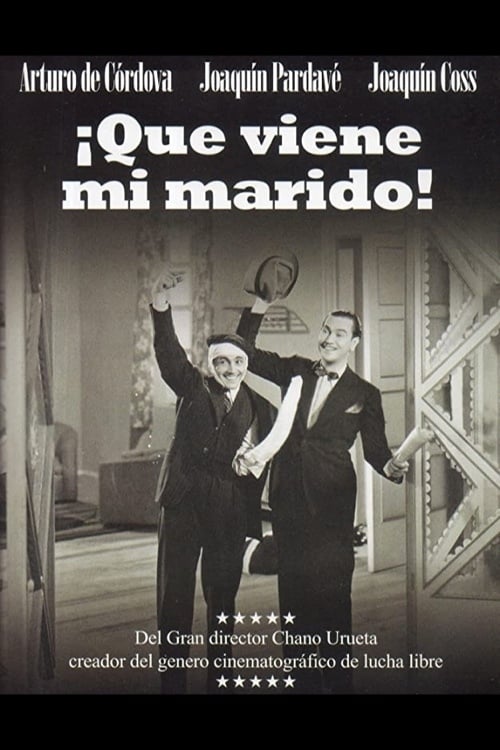
¡Que viene mi marido!
1940
No user ratings available yet
Representation score: 1.1 out of 10
Representation Score
Limited
1948
Director
Juan Bustillo Oro
Runtime
82 minutes
Average Rating
No ratings yetNew Showbiz Analysis
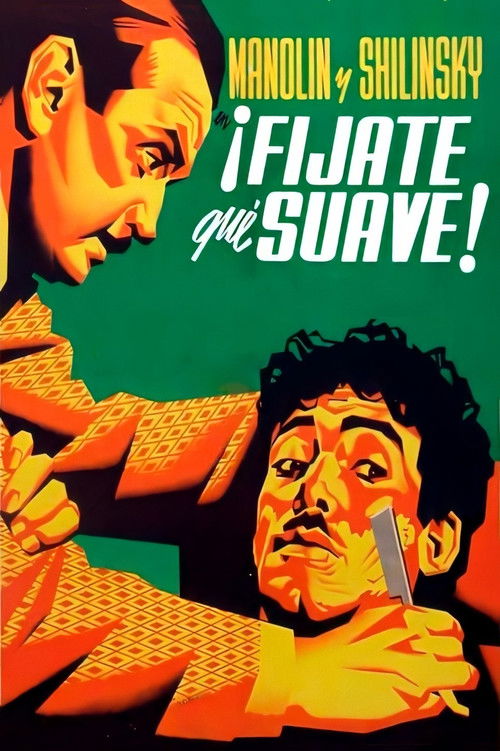
¡Fíjate qué suave! is a product of the Golden Age of Mexican cinema, using a classic comedic formula centered on inheritance and matrimonial pursuits. While the film offers cultural representation through its national origin, it adheres strictly to the social hierarchies of 1948. The narrative structure prioritizes traditional family stability and heterosexual courtship. The sisters have financial ability to act, yet the plot's momentum is driven by male suitors seeking to access that wealth through marriage. Ultimately, the film functions as a period comedy that reinforces the status quo of its era rather than challenging it through diverse or storytelling that reflects multiple aspects of identity.
Category Breakdown
The film does not include non-straight identities or same-sex relationships. The storyline focuses on marriage for inheritance, reflecting traditional heterosexual norms.
Two sisters play key roles in driving the plot through their inheritance, providing them who play a significant role in driving the story. However, the tension arises from men pursuing them for marriage and financial gain.
As a Golden Age Mexican production, the cast is non-Anglo-Saxon. It likely emphasizes a homogeneous national identity rather than diverse ethnic backgrounds.
The story highlights traditional social institutions such as marriage and family wealth. It operates within the conventional moral expectations of mid-century Mexican society.
There is no information available regarding the depiction of physical or neurodivergent characters in this production.
Present on Screen
Limited or Absent
Official Synopsis
There are two sisters who will soon receive a large inheritance and several men want to marry them to participate in that heritage.
1940

1985

2014
1994

1988
1951

1954

1962
No reviews yet. Be the first to share your thoughts on this movie!
Use the rating form above to leave a star rating and optional review.