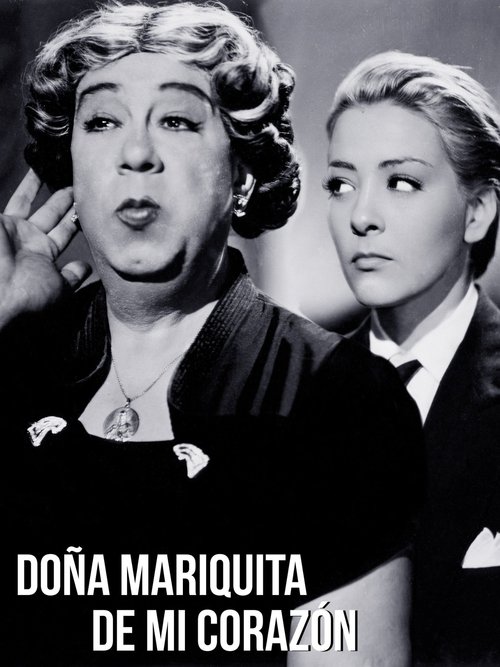
Doña Mariquita de mi corazón
1953
No user ratings available yet
Diversity score: 3.0 out of 10

1940
Director
Chano Urueta
Runtime
91 minutes
Average Rating
No ratings yetSynopsis
Rom-com: collecting on a big inheritance "forces" a family to play games with their daughter's marital status.
Overall Score
Limited
Category Breakdown
LGBTQ+ Representation
The film lacks any evidence of non-heteronormative identities. The narrative focus remains strictly on traditional romantic frameworks and marital status.
Gender Representation
Female agency is mediated through marriage and domestic negotiation. The plot uses a daughter's marital status as a tool for family financial gain.
Racial & Ethnic Diversity
The film features a predominantly Mexican cast typical of the Golden Age. It focuses on a homogeneous national identity rather than multi-ethnic blending.
Religious & Cultural Diversity
The story centers on securing inheritance through family games. This reinforces traditional values regarding familial structure and wealth preservation.
Disability Representation
There is no mention of characters with visible or invisible disabilities. No representation of disability is present in the narrative.
Strengths
Areas for Improvement
AI Analysis
Chano Urueta’s comedy operates within the conventional social and moral frameworks of 1940s Mexican cinema. The plot relies on established hierarchies, specifically using marriage as a mechanism for wealth acquisition. The film functions as a traditional genre piece. It prioritizes domestic dynamics and inheritance-driven mechanics over any meaningful subversion of social structures. Ultimately, the work offers little intersectional complexity, adhering to the era's standard approach to romantic comedy and national identity.
1953
2017
1951
1946
1972
1948
1951
1957
1943

1959
1970
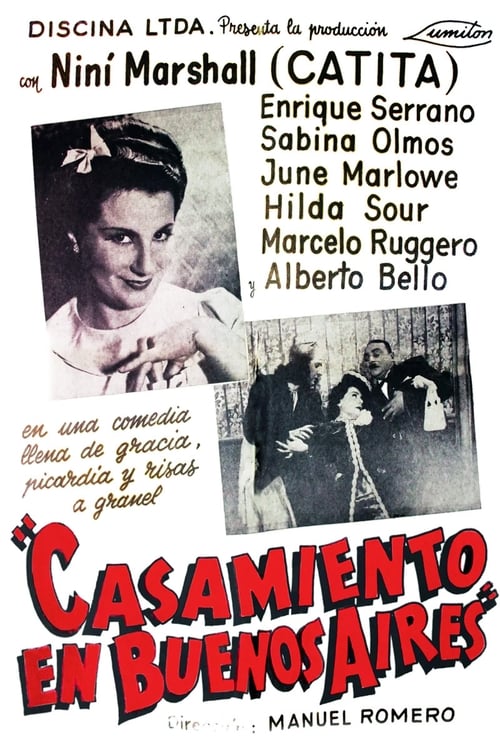
1940
No reviews yet. Be the first to share your thoughts on this movie!
Use the rating form above to leave a star rating and optional review.