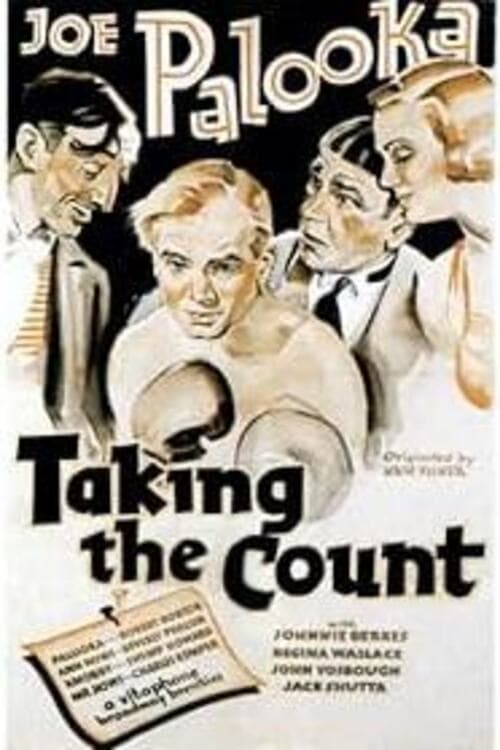
Taking the Count
1937
No user ratings available yet
Diversity score: 2.4 out of 10
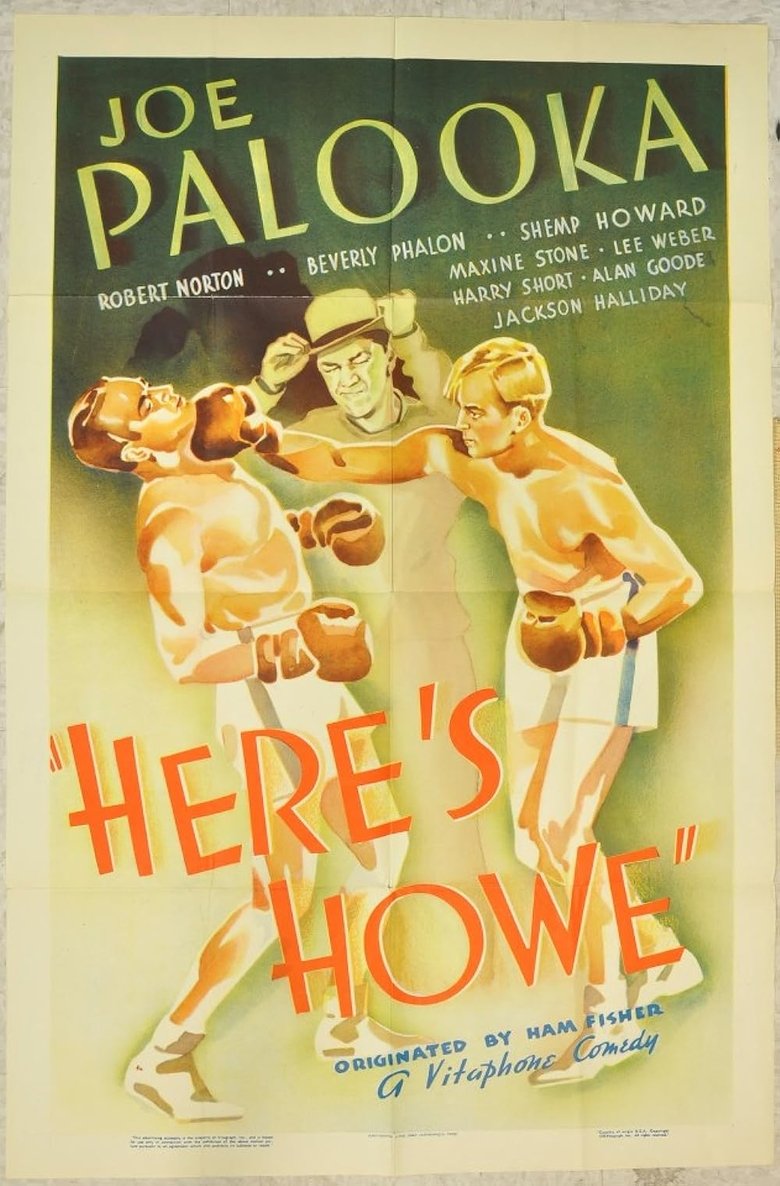
1936
ApprovedDirector
Lloyd French
Runtime
21 minutes
Average Rating
No ratings yetSynopsis
Heavyweight champion Joe Palooka (Robert Norton) and his manager/trainer Knobby Walsh (Shemp Howard), are eating a poor farmer out of house and holdings while Joe prepares for a championship bout at Madison Square Garden. The farmer sends the local sheriff to collect from Knobby.
Overall Score
Limited
Category Breakdown
LGBTQ+ Representation
The film lacks any evidence of LGBTQ+ characters or non-heteronormative identities. It adheres to the conventional heteronormative tropes common in 1936 studio comedies.
Gender Representation
The story centers on a male-dominated hierarchy involving a boxer, a manager, and a sheriff. There is no explicit detail regarding female characters or their agency.
Racial & Ethnic Diversity
The narrative appears to reflect the homogeneous demographic norms of 1930s American cinema. There is no evidence of diverse casting or characters of color with significant agency.
Religious & Cultural Diversity
The plot utilizes a clash between urban professionals and rural farmers. It relies on traditional Western institutions like law enforcement rather than systemic social critique.
Disability Representation
There is no information available regarding the depiction of physical or neurodivergent disabilities in this film.
Strengths
Areas for Improvement
AI Analysis
Here's Howe is a product of the 1930s studio system, prioritizing formulaic, gag-driven comedy over social complexity. The narrative focuses on traditional masculine archetypes, specifically through the lens of professional boxing and law enforcement. The film operates within the standard demographic and cultural frameworks of its era. It lacks intersectional depth, instead reinforcing established social hierarchies and homogeneous casting patterns typical of mid-1930s American cinema. Ultimately, the film functions as a conventional period piece that avoids subverting the status quo, focusing instead on a simple clash between urban and rural interests.
1937
1937
1936
1936
1935
1940
1925
1971
1934
1956
1950
1937
No reviews yet. Be the first to share your thoughts on this movie!
Use the rating form above to leave a star rating and optional review.