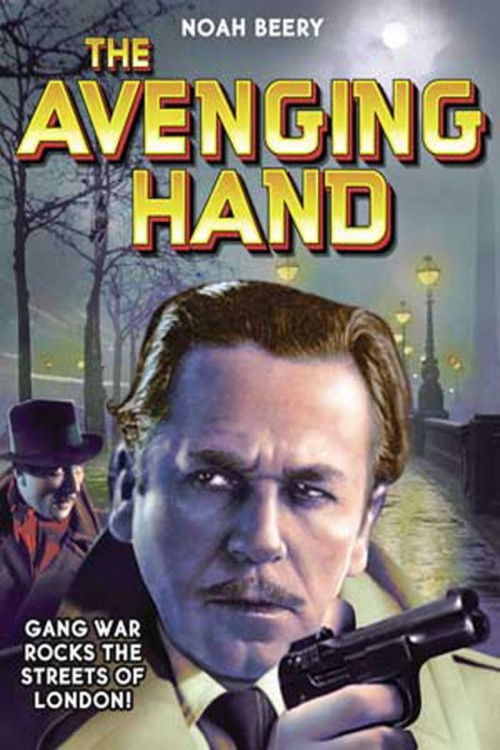
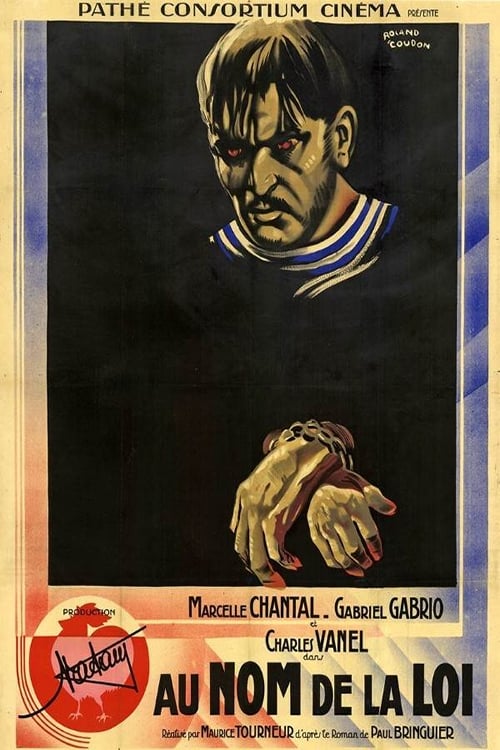
The Avenging Hand
1936
No user ratings available yet
Representation score: 1.4 out of 10
Representation Score
Minimal
1932
Director
Maurice Tourneur
Runtime
95 minutes
Average Rating
No ratings yetNew Showbiz Analysis
Maurice Tourneur's crime drama adheres to the conventional social and moral frameworks of the early 1930s. It heavily relies on established genre clichés, such as the fallen hero and the enigmatic foreign woman, to propel its plot. The film prioritizes traditional notions of law and order. While it includes non-Western settings like Chinatown, these locations primarily serve the atmosphere of the mystery rather than providing deeper character development or ability to act to characters of color. Overall, the work lacks contemporary markers of characters who reflect more than one aspect of diversity. It functions as a traditional procedural that reinforces existing social hierarchies and gendered stereotypes of its time.
Category Breakdown
The film does not include any LGBTQ+ characters or themes related to queer experiences. The story revolves around a traditional crime investigation centered on a detective's death.
Women are mainly portrayed through the femme fatale stereotype. Despite Sandra being a key figure, she primarily serves as a catalyst for male-driven revenge.
A Parisian Chinatown provides an atmospheric backdrop for the mystery. However, this ethnic neighborhood seems to function more as a setting rather than a place where characters of color have nuanced roles.
The story emphasizes Western institutional values, particularly those of the police force and the pursuit of justice. It upholds traditional views of law and social order.
The film does not feature any characters with visible or invisible disabilities. There is no representation of neurodivergent individuals.
Present on Screen
Limited or Absent
Official Synopsis
The story is about a drug ring and the finally successful efforts of the Paris police to break it up. A young detective goes into a den in Paris' Chinatown, following a clue, and that is the last seen of him until his body is found floating in the Seine several days later. The only clue is a woman's glove. The dead man's friends on the force vow to avenge him, and receive information leading them to suspect one Sandra, a beautiful foreigner, played by the stunning Marcelle Chantal.
1936
1937
1940
1931
1955
1936
1934

1937
No reviews yet. Be the first to share your thoughts on this movie!
Use the rating form above to leave a star rating and optional review.