
Shameless
1968
No user ratings available yet
Representation score: 2.5 out of 10
Representation Score
Limited
1960
NRDirector
Gene Milford
Runtime
81 minutes
Average Rating
No ratings yetNew Showbiz Analysis
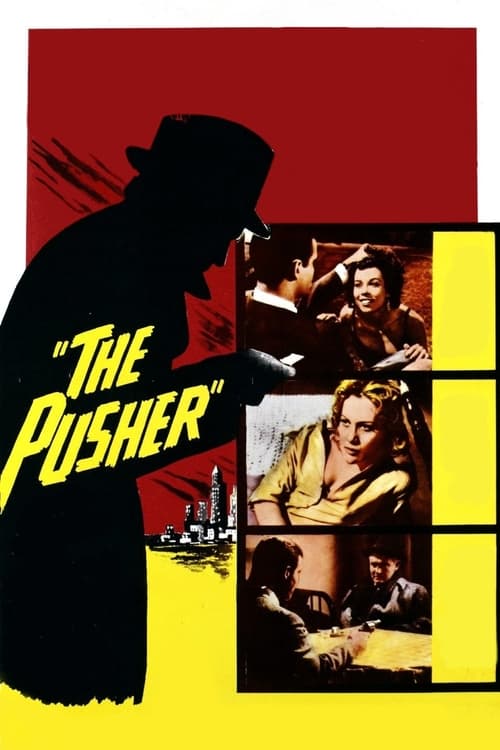
The Pusher is a typical 1960s crime procedural that follows the era's conventions. It upholds the traditional social hierarchies and moral frameworks common in mid-century crime dramas. The narrative does not aim to challenge existing norms. Instead, it reinforces the status quo by emphasizing law enforcement and traditional gender roles. Overall, the film reflects the homogeneous and patriarchal social standards of its time.
Category Breakdown
The film does not include any characters with non-straight or non-cisgender identities. The main relationship is between a fiancé and a boss's daughter, both in traditional heterosexual roles.
Women play supporting roles in the story. The female lead mainly connects the detective to the victim but does not have much influence over the plot.
The story seems to follow the era's standard of having mostly white characters. There are no indications of diverse casting or non-white characters driving the main plot.
The film emphasizes traditional social order through a crime-and-punishment framework. It focuses on law enforcement's role in dealing with social deviance without questioning Western institutions.
Addiction is a central theme but is portrayed as a moral failing. The film does not offer nuanced views on mental health or chronic illness.
Present on Screen
Limited or Absent
Official Synopsis
A detective investigating the murder of a heroin addict discovers that there is a connection between the junkie and his fiance, who is his boss' daughter.
1968
1972
1958

1955
1957

2008
1960

1964
No reviews yet. Be the first to share your thoughts on this movie!
Use the rating form above to leave a star rating and optional review.