Keane
2004
No user ratings available yet
Representation score: 3.8 out of 10
Representation Score
Good
1989
Director
Pedro Costa
Runtime
95 minutes
Average Rating
No ratings yetNew Showbiz Analysis
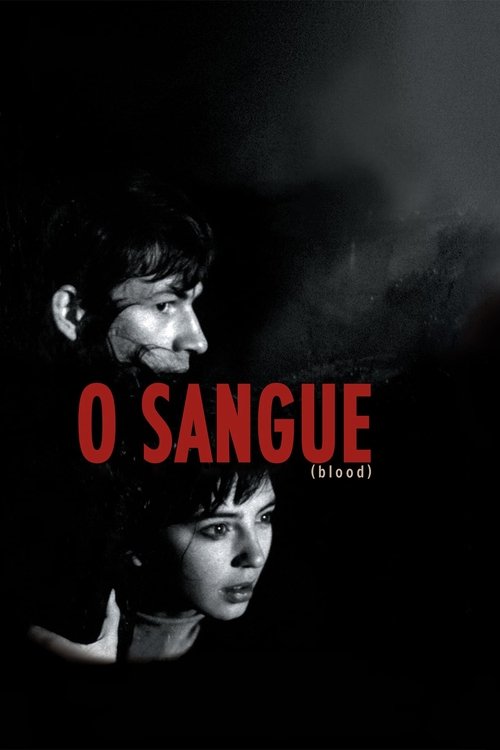
Pedro Costa’s *O Sangue* explores themes of mortality and human vulnerability through a formalist lens. It challenges traditional storytelling conventions, focusing on the raw, physical reality of life over societal norms. However, the film's demographic consistency and lack of explicit diverse identities limit its broader impact. Its strength lies in its unique aesthetic and philosophical approach to existence.
Category Breakdown
The film doesn't explicitly show LGBTQ+ identities or relationships that aren't focused on straight couples. However, it hints at deeper meanings without clearly stating them, avoiding typical assumptions about relationships.
The story breaks down traditional gender roles by focusing on characters' biological and personal traits rather than how they perform masculinity or femininity.
The film features a largely uniform cast reflecting Portugal's cinematic traditions. There is no indication of significant ethnic mixing or casting actors from diverse backgrounds.
The movie emphasizes a secular, primal view of humanity, questioning organized religion. Its fragmented storytelling challenges traditional Western narratives and cultural norms.
Though no specific clinical disabilities are shown, the film highlights physical frailty. The main character's condition is treated with dignity, emphasizing the importance of the body's vulnerabilities.
Present on Screen
Limited or Absent
Official Synopsis
Nino, tough but sickly, and his older brother Vicente live in the country with their father. After their father disappears ― we’re never sure why ― murder is suggested. Vicente brings his girlfriend to the house, and a different kind of family is established as the three youngsters grow fiercely protective of each other. But their uncle grows suspicious about the fate of the missing father and forcibly kidnaps Nino, taking him away to the city and leaving Vicente to locate him there.
2004

2004
2004

2016

2007

2006
2003

2023
No reviews yet. Be the first to share your thoughts on this movie!
Use the rating form above to leave a star rating and optional review.