Dim Sum Take-Out
1988
No user ratings available yet
Representation score: 6.7 out of 10
Representation Score
Excellent
1982
Not RatedDirector
Wayne Wang
Runtime
76 minutes
Average Rating
No ratings yetNew Showbiz Analysis
Wayne Wang’s film is a significant accomplishment in independent cinema, particularly for its nuanced exploration of ethnic identity. By focusing on the Chinese American experience, the film avoids the stereotypical portrayals common in 1980s media. The film stands out for its strong racial and cultural representation, presenting a fragmented community to challenge the model minority myth. It offers a detailed look at how diaspora cohesion is affected by Western societal structures. However, the film’s narrow thematic scope leads to lower scores for LGBTQ+ and disability representation. While it avoids harmful stereotypes, these specific identities are not central to the narrative.
Category Breakdown
The film highlights generational and socioeconomic divides within the Chinese American community but does not include explicit LGBTQ+ character arcs or non-cisgender identities.
Women are shown taking active roles, balancing traditional values with American expectations. The film avoids portraying female characters as passive, instead offering a nuanced view of their lives.
This groundbreaking film features an all-Asian cast to counter the white gaze. It avoids the model minority stereotype by showcasing a diverse, fragmented community with varied socioeconomic statuses.
The story examines the clash between Western and Eastern social norms. It employs a postmodern structure to critique the assimilation process and the negotiation of conflicting cultural values.
There is no significant or central depiction of visible or invisible disabilities in the narrative. The focus remains on sociological tensions within the Chinatown community.
Present on Screen
Limited or Absent
Official Synopsis
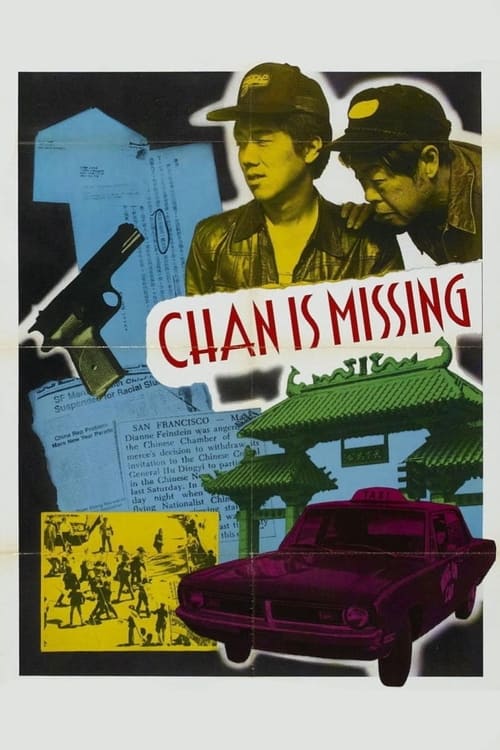
Two cabbies search San Francisco's Chinatown for a mysterious character who has disappeared with their $4000. Their quest leads them on a humorous, if mundane, journey which illuminates the many problems experienced by Chinese-Americans trying to assimilate into contemporary American society.
1988

1985
1995

1995

1999

1984

1985

1996
No reviews yet. Be the first to share your thoughts on this movie!
Use the rating form above to leave a star rating and optional review.