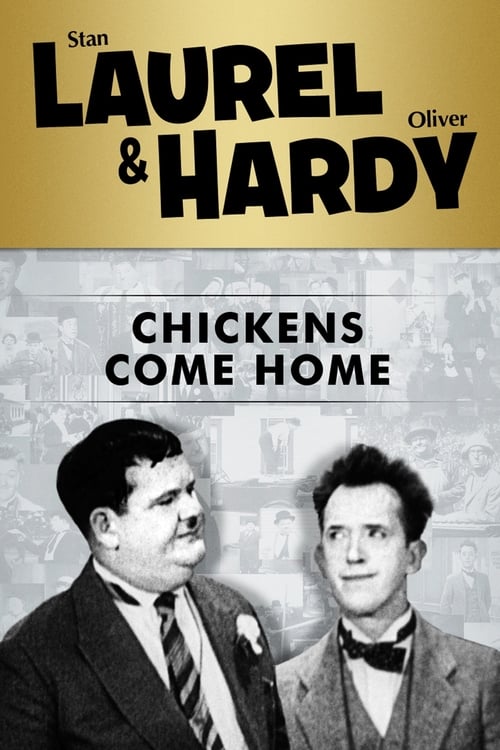
Chickens Come Home
1931
No user ratings available yet
Representation score: 0.9 out of 10

Representation Score
Minimal
1931
Director
James W. Horne
Runtime
56 minutes
Average Rating
No ratings yetNew Showbiz Analysis
Playing at Politics is a typical product of its time, adhering to the slapstick and situational comedy conventions of 1931. The film upholds the social and demographic norms of the early 1930s rather than challenging them through diverse representation. The narrative structure is driven by traditional clichés, such as a male protagonist's political ambitions and a romantic conflict. This focus results in a lack of representation for LGBTQ+ identities, diverse racial backgrounds, or disability. Ultimately, the film serves as a period-specific comedy that prioritizes conventional social hierarchies and individual-driven plots over systemic critique or diverse character's ability to drive the story.
Category Breakdown
The film does not include any LGBTQ+ characters or storylines. The plot revolves around a traditional romantic conflict with an ex-flame, suggesting a conventional focus on heterosexual relationships.
Female characters serve mainly as plot catalysts through blackmail. Their roles are defined by their connection to the male protagonist rather than independent action or intelligence.
The film reflects the homogeneous casting standards of early Hollywood. There is no evidence of a diverse cast or actors playing roles outside their traditional backgrounds.
The narrative emphasizes individual morality and personal scandal over broader institutional critique. It operates within traditional political satire, focusing on social stability rather than challenging established norms.
The film does not address visible or invisible disabilities. Neurodivergence and physical impairments are not used as narrative elements.
Present on Screen
Limited or Absent
Official Synopsis
Ollie is running for mayor and an old flame threatens to blackmail him.
1931
1935
1933

1937
1933
1931
1933
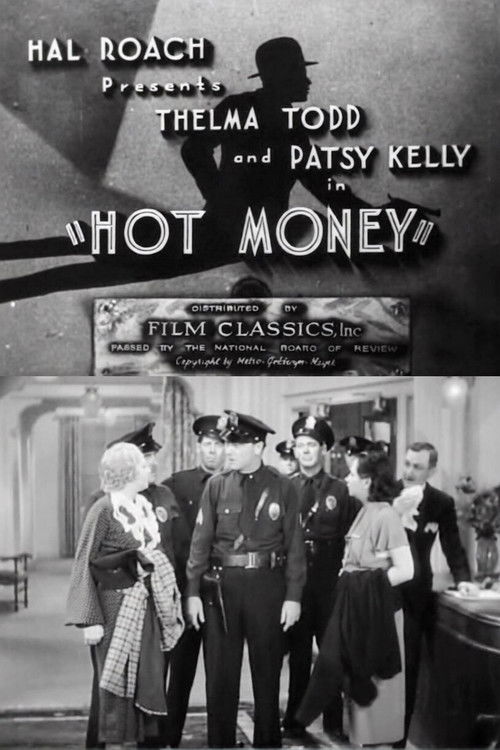
1935
No reviews yet. Be the first to share your thoughts on this movie!
Use the rating form above to leave a star rating and optional review.