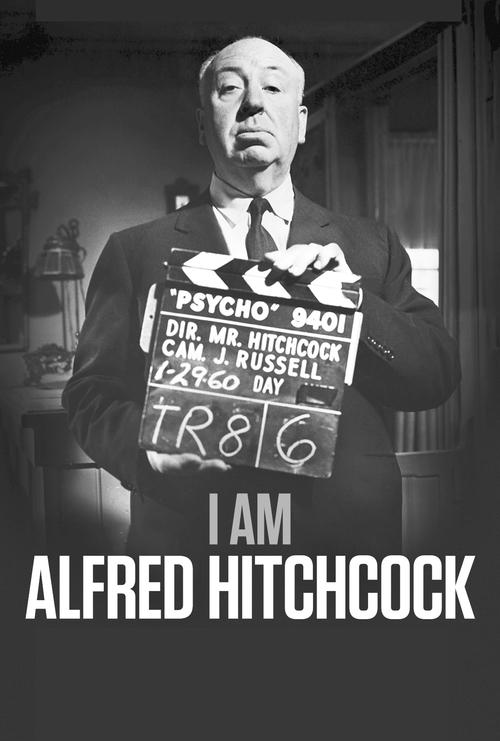
I Am Alfred Hitchcock
2021
No user ratings available yet
Representation score: 3.3 out of 10
Representation Score
Limited
2009
Director
Gary Leva
Runtime
57 minutes
Average Rating
No ratings yetNew Showbiz Analysis
The documentary offers a scholarly look at Alfred Hitchcock’s work, emphasizing technical film theory and historical preservation. Its structure upholds the established Western cinematic canon rather than multi-layered identities. While the film does not delve into social identity narratives, it gains depth through a diverse array of international experts. This provides a nuanced view of Hitchcock’s global impact. Ultimately, the production celebrates classical filmmaking, focusing on the technical mastery of a single auteur through the eyes of industry peers.
Category Breakdown
The documentary focuses on technical and stylistic elements of Hitchcock's work. It does not include explicit stories or discussions about LGBTQ+ characters or the assumption that everyone is straight or cisgender.
The film highlights a predominantly male group of legendary directors. While it examines Hitchcock’s female protagonists, the commentary emphasizes the roles of well-known male figures in the industry.
Meaningful representation is achieved through interviews with directors like Guillermo Del Toro, offering a global, non-Anglo-Saxon perspective on cinematic excellence.
The film celebrates Western cinema and the legacy of a foundational director. It maintains a traditional approach to classical film techniques.
There is no indication of the portrayal of physical or neurodivergent disabilities within the film's content.
Present on Screen
Limited or Absent
Official Synopsis
Documentary that features interviews with Martin Scorsese, Curtis Hanson, Francis Lawrence, William Friedkin, Guillermo Del Toro, John Carpenter and others as they discuss the films and style of the Master of Suspense.
2021

2004
1999
2015

2023
2019
1999

2017
No reviews yet. Be the first to share your thoughts on this movie!
Use the rating form above to leave a star rating and optional review.