Washed Out
1995
No user ratings available yet
Representation score: 7.8 out of 10
Representation Score
Good
1984
Director
Fadil Hadžić
Runtime
93 minutes
Average Rating
No ratings yetNew Showbiz Analysis
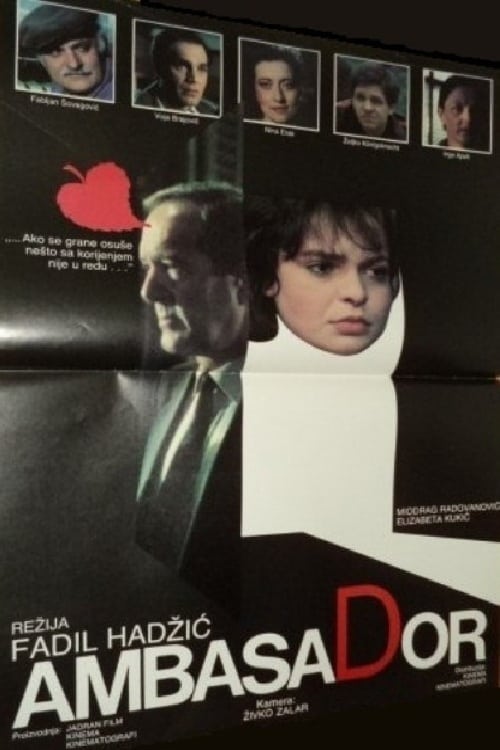
Fadil Hadžić’s drama serves as a psychological character study that prioritizes the breakdown of traditional structures over institutional triumph. It succeeds in subverting the archetype of the infallible patriarch by highlighting the domestic failures of the titular ambassador. While the film offers a nuanced look at mental health and gendered roles, it remains limited by a lack of explicit representation of diverse identities. The narrative is deeply rooted in a specific regional context that lacks broader racial or sexual orientation representation. Ultimately, the film's strength lies in its refusal to reinforce social stability, opting instead to explore the friction between individual frailty and the shifting structures of Yugoslav society.
Category Breakdown
The film focuses on a fractured nuclear family unit. There is no explicit depiction of LGBTQ+ identities or non-straight relationships within the narrative.
Female characters gain a significant role in driving the story through their psychological distress and autonomy. The film also challenges familiar patterns by showing male characters struggling with domestic and financial pressures.
The setting reflects a multi-ethnic Balkan tapestry inherent to Zagreb. However, the film lacks specific evidence of characters of color playing a significant role or intentional racial diversity.
The story deconstructs institutional ideals by portraying a diplomat through a lens of isolation. It challenges social expectations by focusing on family dysfunction rather than state-sanctioned stability.
Mental health is a central narrative driver through Mickey’s profound psychological distress. This moves the film away from idealized depictions of the human condition.
Present on Screen
Limited or Absent
Official Synopsis
Vlado Miljkovic, a former member of the International Brigades in the Spanish Civil War, partisan fighter and retired ambassador, lives in his villa in Zagreb with his children whom he lost contact with, if he ever had one. His daughter Mickey is morbidly devoted to the worship of the cult of her dead mother, and attempts suicide in a state of distress; son Roni plays drums in a rock group and engages in a car theft, while the eldest son Mark has achieved a prestigious career as a doctor, but has problems with his demanding wife and asks father to borrow him money. Complex family relations in the ambassador's house bear witness to central heating repairman...
1995

1984
1987
1984
1976
1985
1965
1971
No reviews yet. Be the first to share your thoughts on this movie!
Use the rating form above to leave a star rating and optional review.