When Father Was Away on Business
1985
No user ratings available yet
Representation score: 5.8 out of 10
Representation Score
Fair
1987
Director
Vladimir Blaževski
Runtime
102 minutes
Average Rating
No ratings yetNew Showbiz Analysis
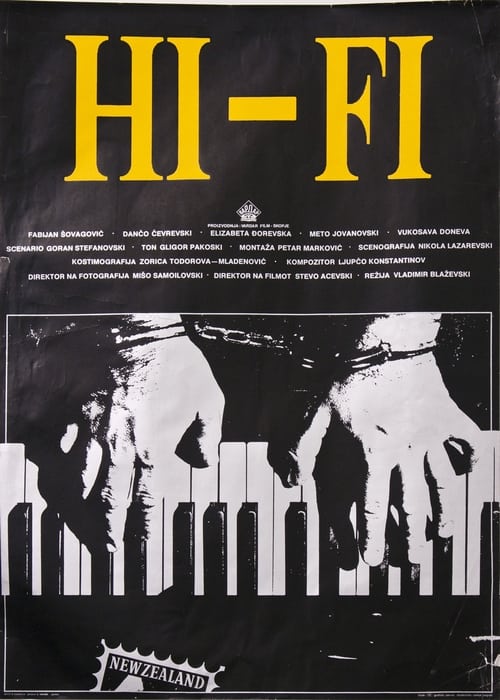
Hi-Fi serves as a generational study that dismantles the traditional nuclear family model. By focusing on a fractured household of a disillusioned father, a musician son, and a hitchhiker, the film explores the breakdown of ideological consensus. The work prioritizes systemic displacement and the friction caused by political imprisonment over conventional domestic stability. It uses these personal conflicts to critique the broader social and political structures of the era. While the film lacks explicit markers regarding race or gender identity, its thematic commitment to deconstructing generational norms provides a nuanced layer of social critique.
Category Breakdown
The film does not explicitly depict LGBTQ+ identities or non-straight relationships. Instead, it focuses on the interpersonal tensions among established characters and a transient hitchhiker.
The story challenges traditional gender roles by focusing on the aftermath of a divorce. Mira's fragmented household suggests a departure from the typical provider archetype.
Set within a specific Yugoslav regional context, the film does not explicitly highlight multi-ethnic casting. However, identity and social positioning play key roles in exploring broader social divisions.
The narrative critiques political institutions by centering on a political prisoner. It emphasizes individual ideological truth and subjective morality over traditional social stability and familial cohesion.
There is no evidence regarding the portrayal of physical or neurodivergent disabilities within the provided narrative overview.
Present on Screen
Limited or Absent
Official Synopsis
Through fragments of the life of Boris and his son Matej, the film is about the conflict of generations, the gap created by the ideological coloration that one has and the other does not have. Political prisoner Boris, after spending several years in prison, returns home. After the divorce with his wife, in his apartment now live his son Matej, a grown man who is trying to earn his living as a musician, his girlfriend Mira and a hitchhiker that Matej found on the road.
1985
1997

1984
1992

1997
1982

1982
1986
No reviews yet. Be the first to share your thoughts on this movie!
Use the rating form above to leave a star rating and optional review.