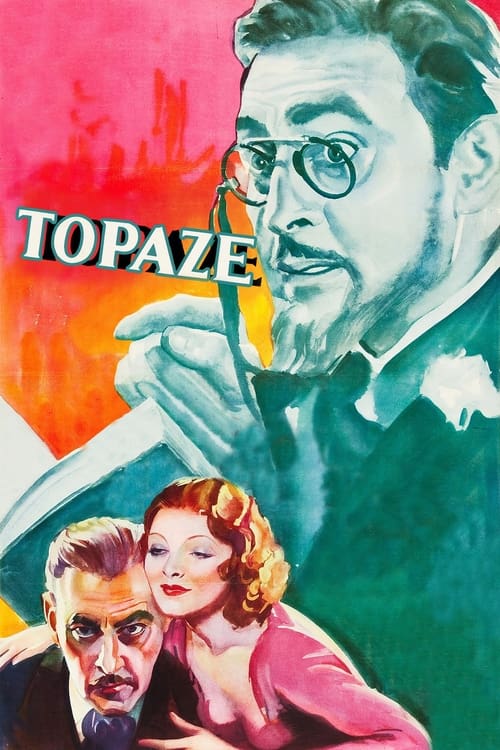
Topaze
1933
No user ratings available yet
Representation score: 2.2 out of 10
Representation Score
Limited
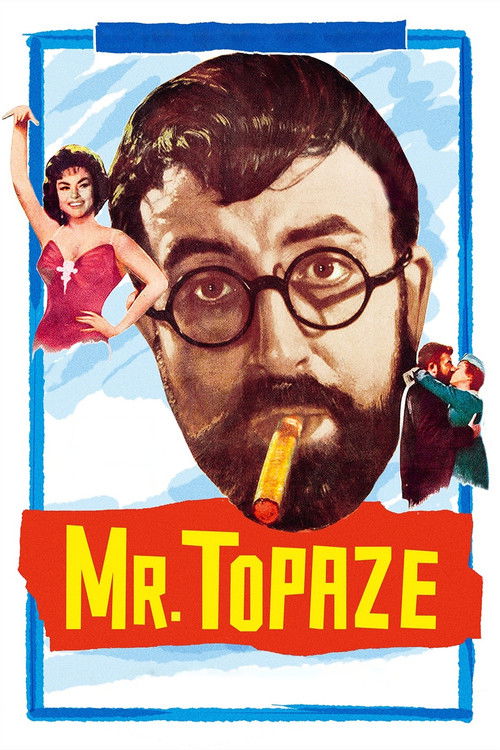
1961
ApprovedDirector
Peter Sellers
Runtime
97 minutes
Average Rating
No ratings yetNew Showbiz Analysis
Mr. Topaze is a character study that prioritizes systemic critique over demographic variety. While the film lacks representation for LGBTQ+ and racial groups, it excels in its intellectual deconstruction of institutional integrity. The protagonist's descent from a principled teacher to a predatory financier provides a cynical look at how power functions in Western society. This thematic depth compensates for the lack of social diversity. Ultimately, the film focuses on the corruption of the individual within a corrupt system rather than a diverse social tapestry.
Category Breakdown
The film operates within a framework that assumes everyone is straight or cisgender. It does not include any queer-coded subtext or non-assuming gender matches what was assigned at birth identities.
Female characters like Suzy play a significant role in driving the plot and influencing the protagonist's corruption. However, they mostly function as catalysts within traditional romantic clichés and male-centric power dynamics.
The setting reflects the demographic homogeneity of mid-century France. There is no evidence of diverse casting to challenge the period's social constraints.
The film offers a sophisticated critique of Western legal and financial institutions. It portrays systemic corruption as a prerequisite for success, challenging traditional moral hierarchies.
There are no prominent depictions of visible or invisible disabilities. No characters are defined by disability within the central narrative arc.
Present on Screen
Limited or Absent
Official Synopsis
Mr. Topaze is an unassuming school teacher in an unassuming small French town, who is honest to a fault. He is fired when he refuses to give a passing grade to a bad student, the grandson of a wealthy baroness. Castel Benac, a government official who runs a crooked financial business on the side, is persuaded by his mistress, Suzy, a musical comedy actress, to hire Mr. Topaze as the front man for his business. Gradually, Topaze becomes a rapacious financier who sacrifices his honesty for success and, in a final stroke of business bravado, fires Benac and acquires Suzy in the deal. An old friend and colleague, Tamise questions him and tells Topaze that what he now says and practices indicates there are no more honest men.
1933

1963

1934
1991

1951

1942

1984

1971
No reviews yet. Be the first to share your thoughts on this movie!
Use the rating form above to leave a star rating and optional review.