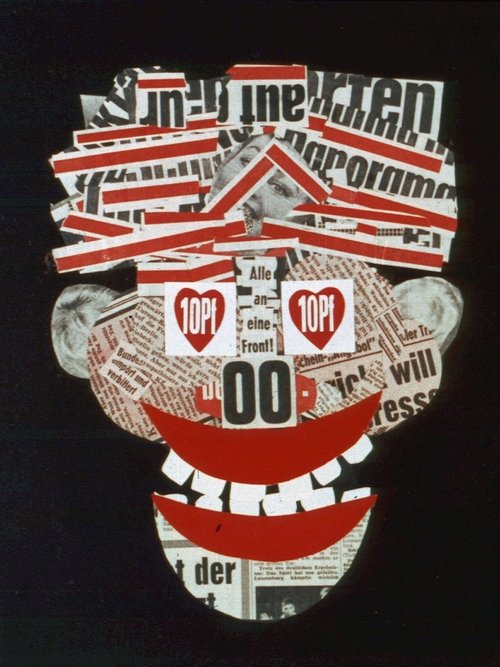
Schwarz-Weiß-Rot
1964
No user ratings available yet
Representation score: 3.7 out of 10

Representation Score
Fair
1969
Director
Günter Rätz
Runtime
12 minutes
Average Rating
No ratings yetNew Showbiz Analysis
Günter Rätz uses puppet animation to deliver a didactic critique of socio-political structures. The film focuses on deconstructing dominant cultural narratives, particularly targeting the militaristic marketing of American toy companies. While the film excels at challenging Western-centric hegemony and capitalist-driven militarism, it prioritizes systemic ideological critique over individual identity-based representation. This focus results in a lack of specific character-driven diversity. Ultimately, the film serves as a political tool to dissect how industrial output can facilitate imperialist manipulation and undermine humanistic viewpoints.
Category Breakdown
The film does not depict LGBTQ+ identities explicitly. Its focus is on geopolitical and industrial critique, which does not address LGBTQ+ issues directly.
The film critiques traditional masculine stereotypes of aggression and dominance. However, it does not center women's ability to drive the story or subvert gender hierarchies through specific character roles.
The film examines global power dynamics and challenges Western-centric hegemony. While specific character-level racial diversity is not detailed, the critique targets imperialist imposition of cultural values.
The film engages deeply with anti-capitalist and anti-Western narratives. It explicitly critiques American consumerism and the role of corporate entities in fostering aggressive political attitudes.
There is no evidence that disability, neurodivergence, or physical impairment are addressed as narrative elements within this film.
Present on Screen
Limited or Absent
Official Synopsis
This short puppet-animated film criticizes American toy companies for their militaristic toys and marketing which fosters politically aggressive attitudes. Catalogues and building sets made by the American toy companies Aurora and Lindberg report on the ways they are misused for imperialist manipulation. The film particularly emphasizes the rehabilitation and propagation of the German imperialist military tradition, which is seen as responsible for destroying humanistic viewpoints and replacing them with perverted and sadistic attitudes towards humanity.
1964

1954

1947
1973
1993
1971
1983
1967
No reviews yet. Be the first to share your thoughts on this movie!
Use the rating form above to leave a star rating and optional review.