War Chronicles
1939
No user ratings available yet
Representation score: 4.0 out of 10
Representation Score
Fair
1971
Director
Valentin Karavaev
Runtime
6 minutes
Average Rating
No ratings yetNew Showbiz Analysis
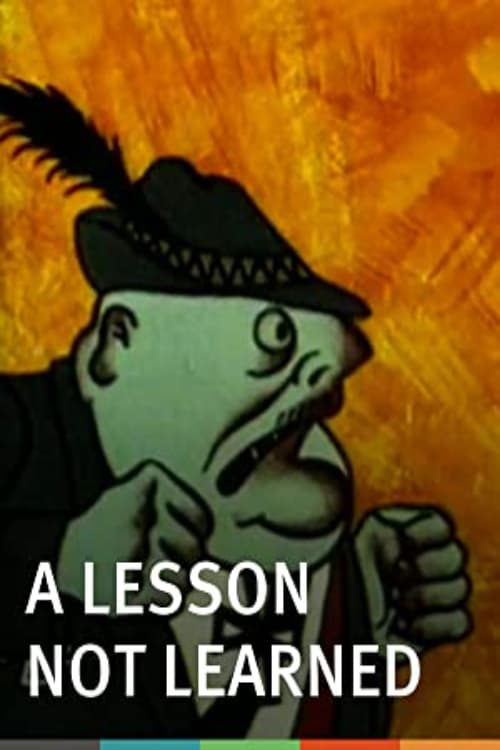
A Lesson Not Learned is a work with a strong ideological focus that centers on systemic critique. It successfully deconstructs nationalist clichés and challenges the romanticization of the nation-state through a geopolitical lens. However, the film's progressive values are primarily expressed through cultural commentary. It lacks representation for gender, race, or sexual orientation. Ultimately, the film serves as a cautionary tale against historical revisionism, prioritizing a critique of power hierarchies over a diverse cast of individual identities.
Category Breakdown
The film does not include explicit LGBTQ+ characters or identities that challenge the assumption that everyone is straight or cisgender. The story focuses on geopolitical conflicts and historical accountability.
The story emphasizes a masculine-coded geopolitical struggle involving military and administrative responses. Female characters do not have significant roles in driving the story, and there is no subversion of gender hierarchies.
The narrative centers on European power dynamics between Germany, the US, and the USSR. It does not use race-bending or non-Western metaphors for diversity.
The film excels in systemic critique by framing nationalist reunification as dangerous revanchism. It deconstructs the 'Fatherland' cliché, using the Berlin Wall to highlight historical consequences.
There is no evidence that disability, neurodivergence, or chronic illness are used as narrative elements or plot devices.
Present on Screen
Limited or Absent
Official Synopsis
This film was made in reaction to revanchism fear that Germany would reunite and seek revenge on Europe and the USSR for World War II. A disguised Nazi slips into the US zone of divided Germany. The Americans nurse him back to health as he plots how to reunite the Fatherland. His plans are ruined when he runs headlong into the Berlin Wall, erected by the USSR between East and West Berlin in 1961.
1939
1999
1941
1986
1941

2018

1971
1967
No reviews yet. Be the first to share your thoughts on this movie!
Use the rating form above to leave a star rating and optional review.