This Magnificent Cake!
2018
No user ratings available yet
Representation score: 4.3 out of 10
Representation Score
Good
1993
Director
Joanna Quinn
Runtime
5 minutes
Average Rating
No ratings yetNew Showbiz Analysis
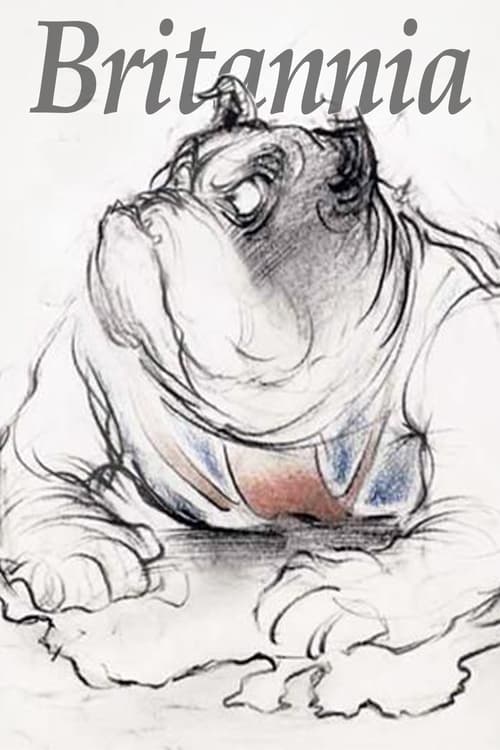
Joanna Quinn employs zoomorphic satire to deconstruct the celebratory myths of the British Empire. By substituting human actors with a predatory bulldog, the film shifts the focus from imperial glory to the systemic violence inflicted on the colonized. The narrative effectively centers the consequences of resource extraction in India and Africa. It successfully uses the experiences of those affected by imperialism to challenge traditional, heroic depictions of Western expansionism. However, the allegorical nature of the film means it lacks specific representation for individual identities, such as LGBTQ+ characters or people with disabilities, focusing instead on broad geopolitical critiques.
Category Breakdown
The film does not include explicit representations of LGBTQ+ characters or non-assuming gender matches what was assigned at birth identities. Instead, it focuses on geopolitical themes rather than individual identity issues.
The film challenges traditional masculine stereotypes by showing women as victims of colonial expansion. The bulldog's transformation into an effeminate lap dog further undermines conventional ideas of dominant masculinity.
The film uses a bulldog metaphor to critique Anglo-Saxon dominance. It highlights the impact of empire on India and Africa, emphasizing exploitation in these regions.
The work serves as a critique of Western institutional power and imperialism. It portrays the expansion of the British Isles as a source of global fear rather than triumph.
There is no indication of the portrayal of physical or neurodivergent disabilities in this work.
Present on Screen
Limited or Absent
Official Synopsis
The history of empire. A British bulldog answers his mistress's call. He tacks down the Union Jack to cover the British Isles, then begins playing with a small ball that's the world. At first it's innocent play. The dog discovers tea in India; then, the dog shakes gold out of Africa. Gradually, innocence gives way to more and more ferocious play with the ball. We see terrorized women and children as the dog becomes an enslaving potentate. Harmless English archetypes benefit from colonial riches. Then the world begins to grow, and the dog changes too, from bulldog to effete lap dog.
2018
1973
1995
2019
1999
1954
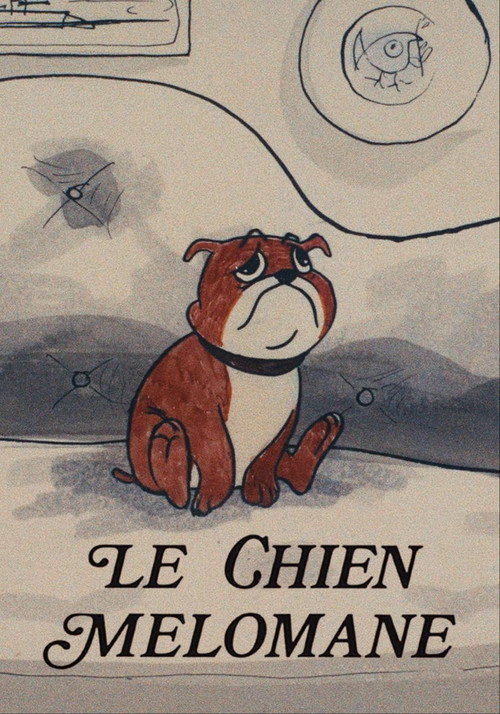
1973
1982
No reviews yet. Be the first to share your thoughts on this movie!
Use the rating form above to leave a star rating and optional review.