The White Rose
1961
No user ratings available yet
Representation score: 2.7 out of 10
Representation Score
Minimal
1949
ApprovedDirector
Stuart Heisler
Runtime
90 minutes
Average Rating
No ratings yetNew Showbiz Analysis
Tulsa is a period drama centered on individual morality and the economic struggles of the oil boom. While it presents a more complex female lead compared to many contemporary films, the narrative remains rooted in traditional social hierarchies. The film's emphasis on resource acquisition and personal vendettas reinforces conventional Western structures. It prioritizes individual pursuits of wealth and power over systemic critiques or diverse cultural perspectives. Overall, the production reflects the typical studio system frameworks of the late 1940s, focusing on established dramatic structures rather than challenging social norms.
Category Breakdown
The film does not include any queer subtext or non-cisgender identities. It adheres strictly to the assumption that everyone is straight and cisgender.
Cherokee Lansing plays a significant role in driving the plot, evolving from a seeker of justice to a powerful woman. However, her influence is often controlled by male protectors.
The cast is mostly white, reflecting the production standards of 1949. Despite the protagonist's name, the film does not explore Native American identity or decolonial themes.
The story highlights the tension between corporate interests and individual ranching traditions. It emphasizes traditional Western values related to land ownership and the pursuit of the American Dream.
There are no characters with visible or invisible disabilities. Disability is not a central theme or plot device in the film.
Present on Screen
Limited or Absent
Official Synopsis
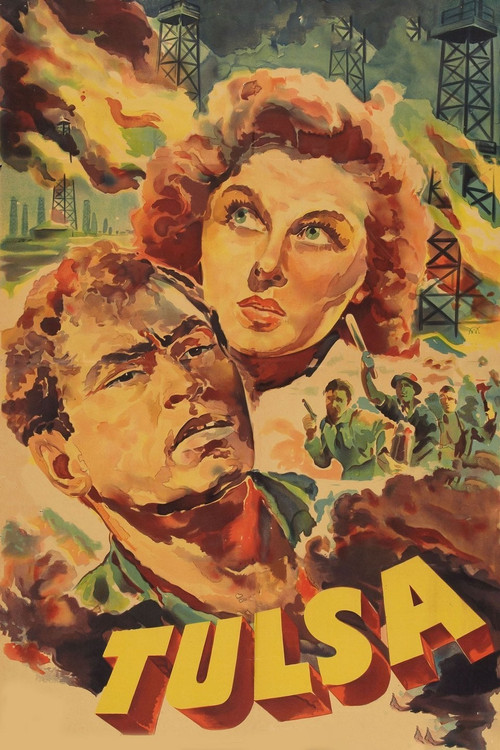
It's Tulsa, Oklahoma at the start of the oil boom and Cherokee Lansing's rancher father is killed in a fight with the Tanner Oil Company. Cherokee plans revenge by bringing in her own wells with the help of oil expert Brad Brady and childhood friend Jim Redbird. When the oil and the money start gushing in, both Brad and Jim want to protect the land but Cherokee has different ideas. What started out as revenge for her father's death has turned into an obsession for wealth and power.
1961
1990
1973
1971
1922
1956
1942
1954
No reviews yet. Be the first to share your thoughts on this movie!
Use the rating form above to leave a star rating and optional review.