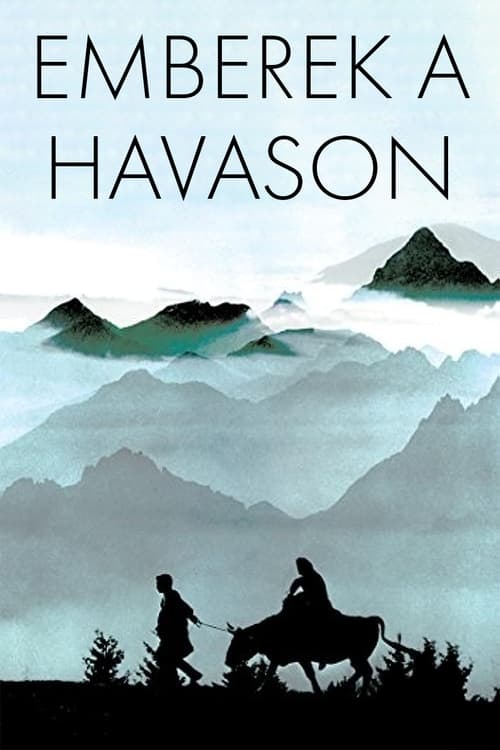
People of the Mountains
1942
No user ratings available yet
Diversity score: 3.8 out of 10

1949
Director
Emlyn Williams
Runtime
95 minutes
Average Rating
No ratings yetSynopsis
An old woman fights a group of industrialists who are planning to build a dam and flood the valley where she grew up.
Overall Score
Limited
Category Breakdown
LGBTQ+ Representation
The film operates within a traditional heteronormative framework. There is no evidence of non-cisnormative gender identities or same-sex intimacy present in the narrative.
Gender Representation
An elderly woman provides a focal point of agency against industrial encroachment. However, the broader social hierarchy remains rooted in mid-century patriarchal norms.
Racial & Ethnic Diversity
The film focuses on a localized, homogeneous Welsh community. While it resists Anglo-Saxon cinematic norms, it lacks intersectional casting or racial blending.
Religious & Cultural Diversity
The story is deeply embedded in traditional Western structures of religious faith and agrarian life. It emphasizes the preservation of local heritage and religious tradition.
Disability Representation
There is no significant evidence of neurodivergent or physically disabled characters being afforded agency. Communal eccentricities are framed through religious fervor rather than disability.
Strengths
Areas for Improvement
AI Analysis
Emlyn Williams delivers a culturally specific study of Welsh identity and linguistic preservation. The film succeeds in challenging English-language hegemony by centering a localized, regional narrative. However, the work is a product of its 1949 temporal context. It prioritizes the preservation of traditional communal and religious structures over the subversion of established social hierarchies. While the protagonist offers a glimpse of female agency, the film lacks diversity in terms of race, sexual orientation, and disability representation.
1942

1961
1924
1957
1914
1949
1955

1945
1960

1949
1945

1975
No reviews yet. Be the first to share your thoughts on this movie!
Use the rating form above to leave a star rating and optional review.