That Evening Sun
2009
No user ratings available yet
Diversity score: 2.8 out of 10
1996
Director
Leonard Katzman
Runtime
120 minutes
Average Rating
No ratings yetSynopsis
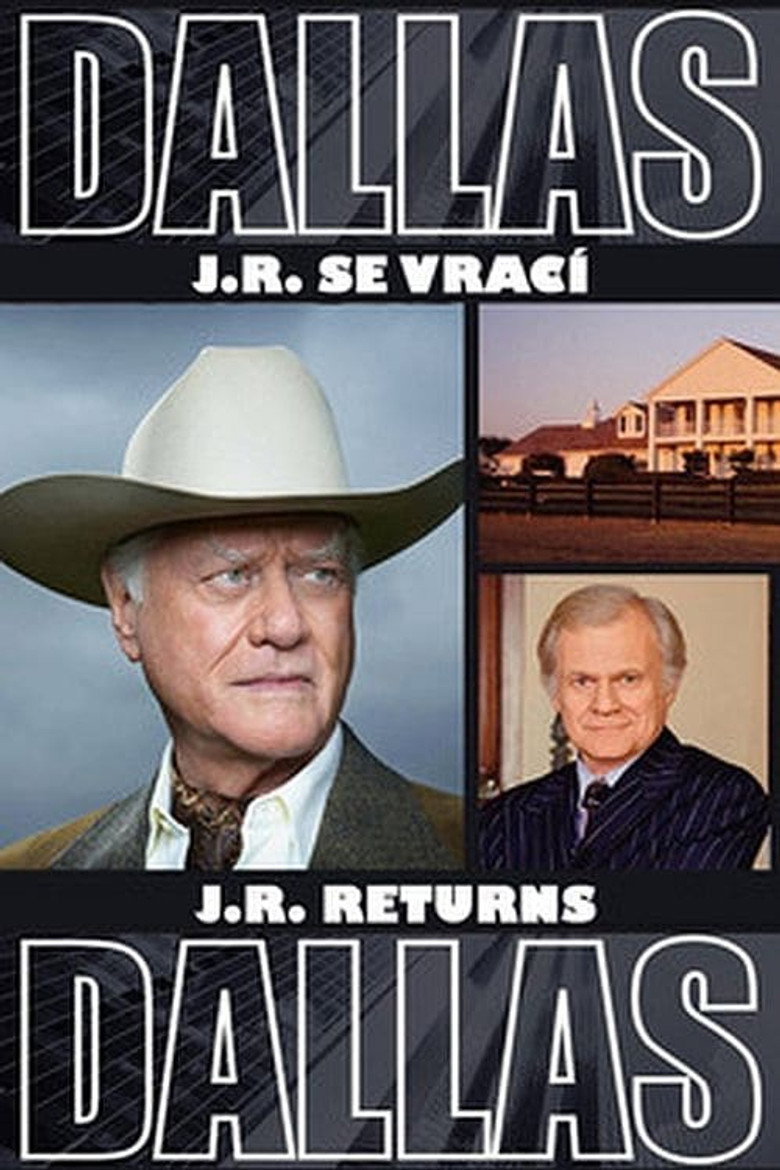
Years after J.R. Ewing lost Ewing Oil and apparently committed suicide, we learn that he is alive and well. He returns to Dallas, and plots what could be his greatest scheme: Bringing his family back together, and regaining control of Ewing Oil from arch-enemy Cliff Barnes. Will he be successful?
Overall Score
Minimal
Category Breakdown
LGBTQ+ Representation
The production adheres strictly to heteronormative structures. There is no presence of non-cisnormative identities or same-sex intimacy within the Ewing family lineage.
Gender Representation
The narrative reinforces traditional hierarchies by prioritizing patriarchal leadership. While women like Sue Ellen show emotional influence, the primary corporate agency remains with male characters.
Racial & Ethnic Diversity
The ensemble is predominantly white, reflecting a homogeneous demographic. The story does not utilize diverse ethnic perspectives to challenge the established social order.
Religious & Cultural Diversity
The film centers on the preservation of a Western family dynasty and capitalist power. It focuses on wealth reclamation rather than offering diverse socioeconomic critiques.
Disability Representation
There is no visible or invisible disability representation. Character arcs focus on socioeconomic status and familial loyalty rather than neurodivergence or physical disability.
Strengths
Areas for Improvement
AI Analysis
Dallas: J.R. Returns functions as a traditionalist conclusion to a long-running saga. The narrative is designed to reinforce established social and power hierarchies rather than disrupt them. It prioritizes the preservation of a specific cultural archetype: the wealthy, Western, patriarchal dynasty. The production lacks the intentionality required to engage with intersectional identities. Instead, it focuses on the reclamation of corporate legacy and the maintenance of the Ewing family's status quo. Ultimately, the film serves as a study of capitalist power, remaining deeply rooted in the era's conventional social norms.
2009
1949
2010
1956
2019
2001

2006
1971
1996
1987
1976
1978
No reviews yet. Be the first to share your thoughts on this movie!
Use the rating form above to leave a star rating and optional review.