Mouseum
1956
No user ratings available yet
Diversity score: 3.0 out of 10
1966
ApprovedDirector
Joseph Barbera, Tom Ray, William Hanna
Runtime
6 minutes
Average Rating
No ratings yetSynopsis
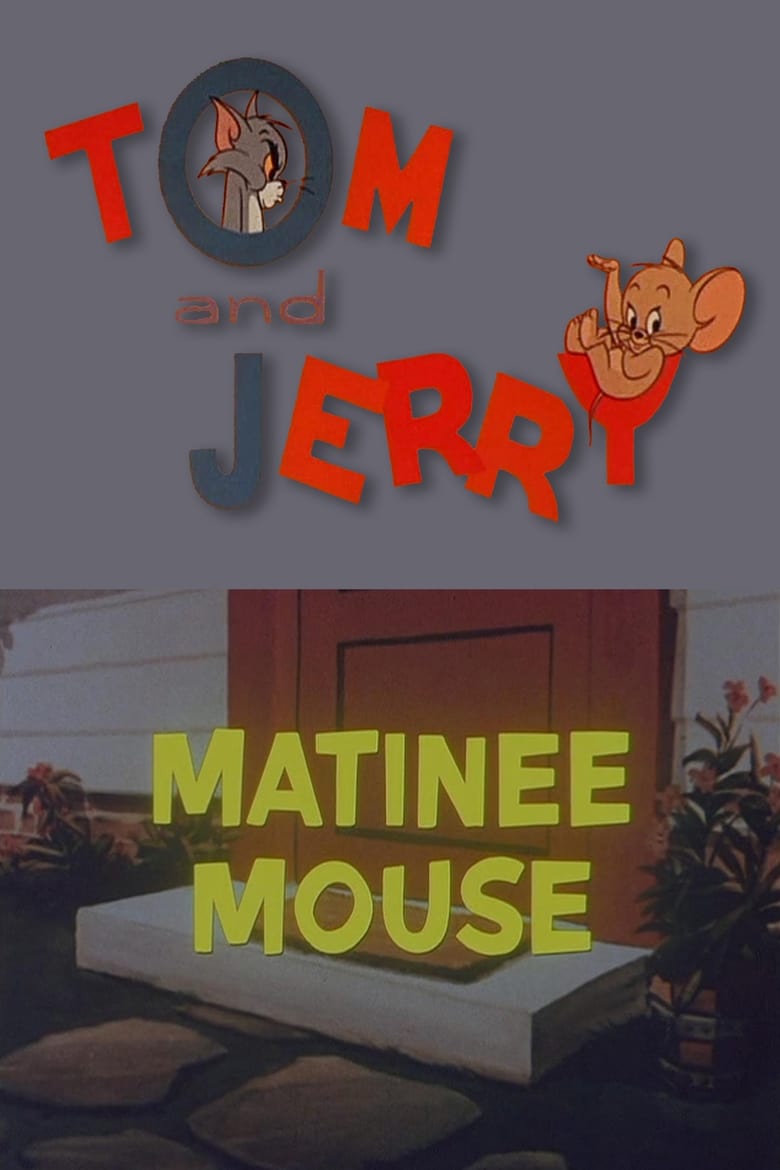
Tom is chasing Jerry through the back yard. Jerry escapes to a bird house. A bit more chasing. Jerry crashes into the wall. Both decide they've had enough, and wave the truce flag; they go to the movies of themselves, which is an excuse for another bargain clip show. The truce doesn't hold, and eventually the characters on screen stop and take notice.
Overall Score
Limited
Category Breakdown
LGBTQ+ Representation
The film lacks any evidence of LGBTQ+ characters or non-cisnormative identities. The narrative focuses entirely on a traditional slapstick rivalry between two characters.
Gender Representation
The story centers on a binary conflict between two male-coded characters. It relies on physical comedy rather than exploring diverse gender roles or subverting hierarchies.
Racial & Ethnic Diversity
The use of anthropomorphic animals in a domestic backyard setting provides no evidence of racial blending or ethnic critique. The characters follow standard comedic archetypes.
Religious & Cultural Diversity
The meta-narrative of characters watching themselves does not challenge Western institutions or systemic power. It follows a traditional, cyclical comedic loop.
Disability Representation
Physical violence and crashing are used as standard slapstick tropes. There is no portrayal of characters with physical, sensory, or neurodivergent disabilities possessing agency.
Strengths
Areas for Improvement
AI Analysis
Matinee Mouse is a traditional animated short that prioritizes kinetic energy and slapstick humor over social complexity. The narrative is built around the established, repetitive rivalry between Tom and Jerry, which offers little room for identity-based storytelling. The film adheres strictly to mid-century animation tropes, focusing on a domestic backyard setting and physical gags. Because the characters are anthropomorphic animals, the work avoids engaging with human social hierarchies, race, or gender dynamics. Ultimately, the production functions as a repetitive comedic loop. It lacks the narrative depth required to address intersectional representation or disrupt conventional social structures.
1956
1955
1953
1965
1966
1944
1965
1964
1949
1957
1950
1951
No reviews yet. Be the first to share your thoughts on this movie!
Use the rating form above to leave a star rating and optional review.