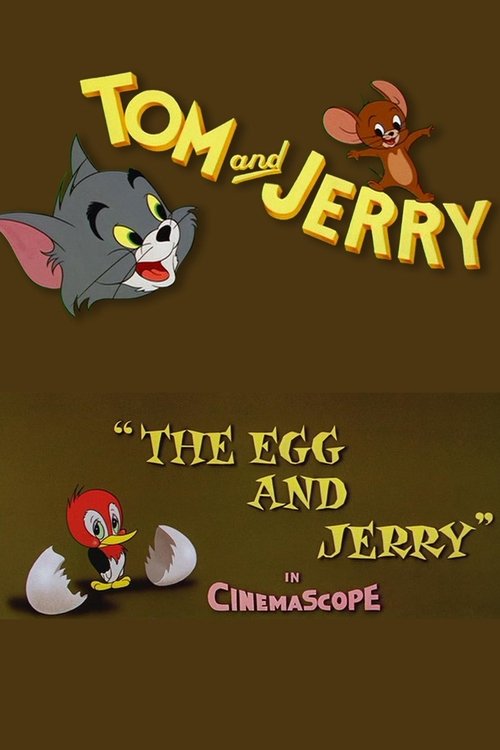
The Egg and Jerry
1956
No user ratings available yet
Representation score: 2.6 out of 10
Representation Score
Minimal
1966
GDirector
Ben Washam, Chuck Jones
Runtime
6 minutes
Average Rating
No ratings yetNew Showbiz Analysis
This animated short operates as a typical comedy of its time, relying on well-established character hierarchies and traditional romantic structures. It offers little challenge to conventional social norms. While the film includes a minor subversion of predatory behavior through Toots's maternal choice, it remains firmly grounded in mid-century archetypes. The story focuses on individual conflicts rather than broader societal issues, resulting in a low diversity profile.
Category Breakdown
The film does not depict any non-straight relationships or identities. The relationship between Tom and Toots follows traditional romantic norms of the 1960s.
Toots takes control by rejecting Tom's gift to take on a maternal role. However, the characters generally adhere to mid-century gender roles.
The use of animal characters does not include any representation of racial diversity or ethnic critique. The cast remains uniform within its established character types.
The plot centers on personal conflicts without addressing societal issues. There is no critique of Western institutions or secularism.
No characters are shown with physical impairments or neurodivergent traits. There are no visible or invisible disabilities in the narrative.
Present on Screen
Limited or Absent
Official Synopsis
Tom is wooing Toots; he presents her with a present - Jerry. But Toots would rather play mother to Jerry than eat him, much to Tom's annoyance.
1956
1953
1964
1949
1951
1957
1954

1944
No reviews yet. Be the first to share your thoughts on this movie!
Use the rating form above to leave a star rating and optional review.