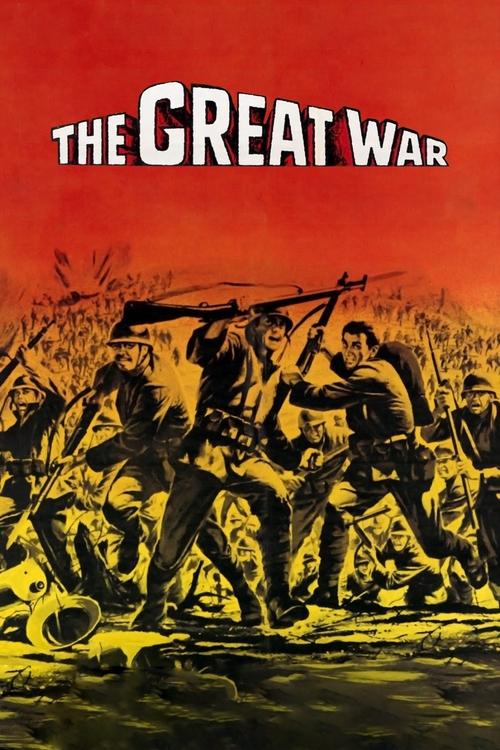
The Great War
1959
No user ratings available yet
Representation score: 4.1 out of 10
Representation Score
Fair
1960
Director
Luigi Comencini
Runtime
117 minutes
Average Rating
No ratings yetNew Showbiz Analysis
Luigi Comencini’s film is a localized study of systemic instability during a period of national collapse. It prioritizes the struggles of the socioeconomically disadvantaged over identity-based representation, resulting in low scores for LGBTQ+ and racial diversity. However, the film excels in cultural subversion. By showing the breakdown of the nuclear family and state institutions, it challenges established social orders and moralities. It uses the lens of hunger and poverty to humanize those often underrepresented by society. Ultimately, the work functions as a critique of power. While it lacks diverse ethnic or identity-based casting, its empathetic portrayal of the urban underclass provides significant social commentary.
Category Breakdown
The film does not include any LGBTQ+ characters or stories. It focuses on the survival of a community within a traditional social structure.
Gender hierarchies are disrupted by the chaos of war and military operations. Children of various genders take on significant roles as traditional male authority breaks down.
The story centers on the Italian urban underclass rather than a multi-ethnic cast. It focuses on the struggle of the working class due to socioeconomic status.
The film criticizes the failure of state and military institutions. It portrays survival-based behaviors as necessary responses to systemic poverty and institutional neglect.
There is no intentional focus on disability or neurodivergence. Physical hardship is widespread, but it is not framed through the lens of specific physical disabilities.
Present on Screen
Limited or Absent
Official Synopsis
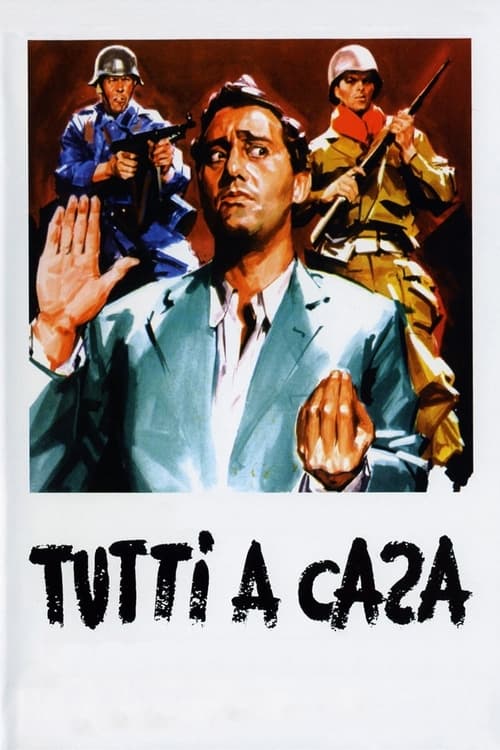
When Italy surrenders to the Allies, part of the Italian army is dispersed and soldiers begin to return to their homes.
1959

1974

1947
1946
1961
1949

1964
1970
No reviews yet. Be the first to share your thoughts on this movie!
Use the rating form above to leave a star rating and optional review.