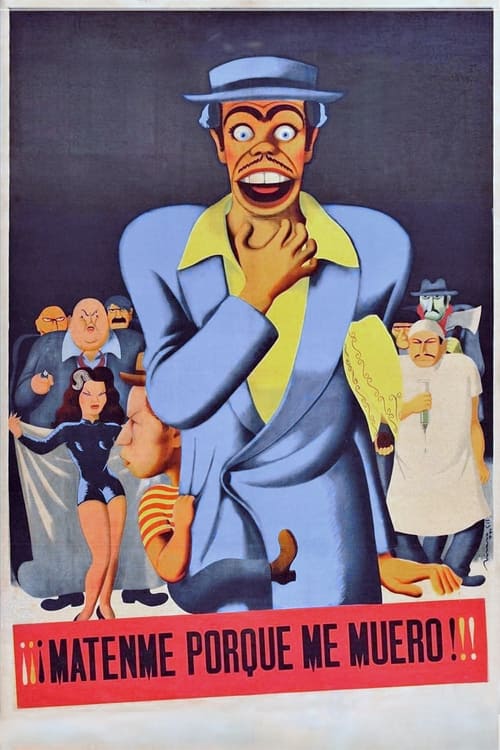
Kill Me Because I'm Dying!!!
1951
No user ratings available yet
Diversity score: 3.6 out of 10
1951
Director
Ismael Rodríguez
Runtime
100 minutes
Average Rating
No ratings yetSynopsis
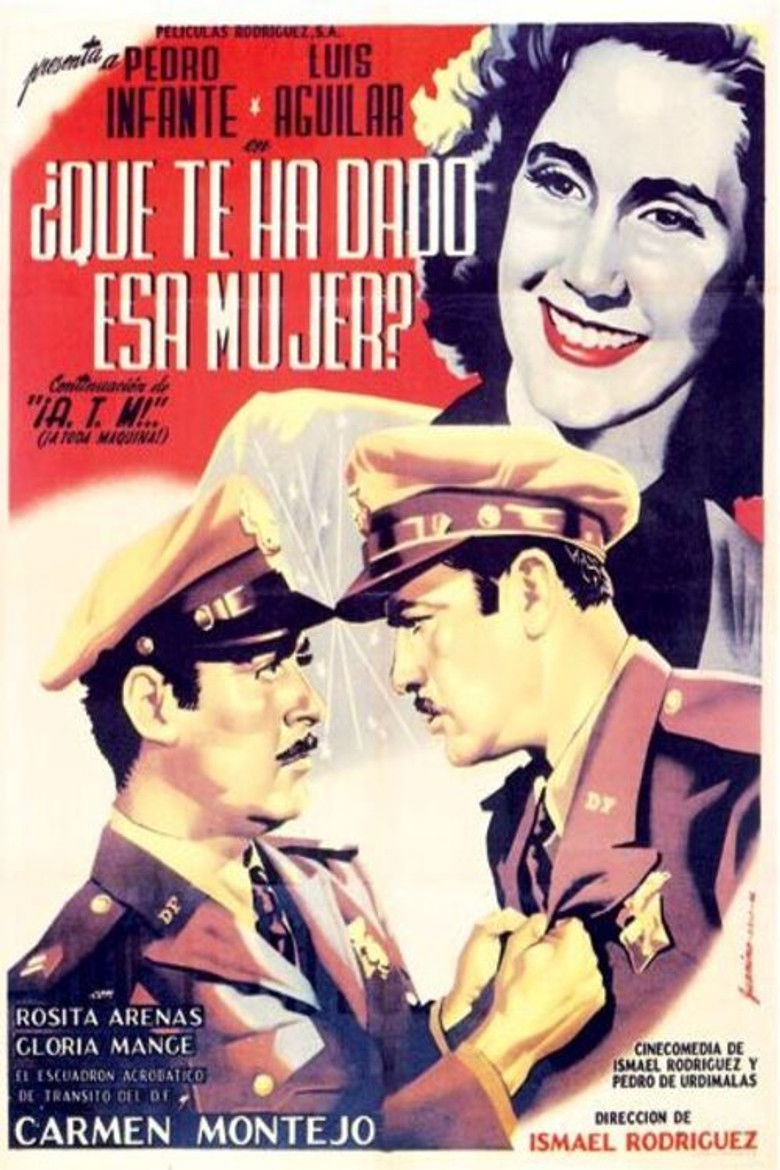
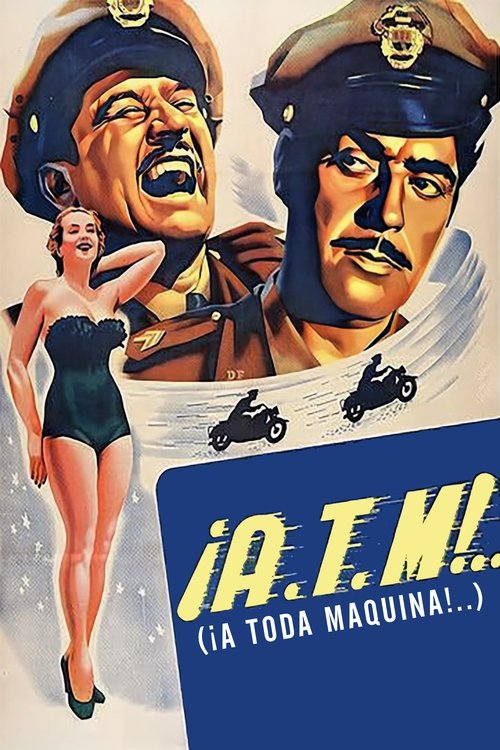
This musical comedy tells the story of two men whose friendship (whose beginning is told in "A toda máquina") is affected by assumptions love triangles and misunderstandings between the two, however, the value of that friendship overcomes all difficulties.
Overall Score
Limited
Category Breakdown
LGBTQ+ Representation
The film focuses on a male friendship framed through traditional heteronormative brotherhood. There is no evidence of queer identities or narratives that critique standard romantic tropes.
Gender Representation
Women often function as catalysts for male conflict or objects of desire within romantic triangles. The narrative reinforces traditional gender hierarchies common to the era's comedy traditions.
Racial & Ethnic Diversity
The film provides a non-Anglo-Saxon narrative by featuring a predominantly Mexican cast. It represents the Mexican working class through the aesthetic standards of mid-century mestizaje.
Religious & Cultural Diversity
The story emphasizes traditional values, such as the sanctity of friendship and social cohesion. It supports the moral stability and community structures typical of mid-century Mexican cinema.
Disability Representation
There is no documented evidence regarding the portrayal of physical or neurodivergent disabilities in this production.
Strengths
Areas for Improvement
AI Analysis
This musical comedy serves as a quintessential example of the Golden Age of Mexican cinema. It prioritizes traditional masculine camaraderie and romantic melodrama, reinforcing the social hierarchies of its time rather than challenging them. While the film offers strong cultural representation of Mexican identity and the working class, it lacks intersectional depth. The narrative architecture is designed to stabilize, rather than disrupt, established social and gender norms. Ultimately, the film functions as a cultural stabilizer, utilizing archetypes that favor traditional romantic resolutions and community cohesion over progressive or subversive storytelling.
1951
1953
1951
1990
1977
1949

2012

1940
1961
1982
1956
1981
No reviews yet. Be the first to share your thoughts on this movie!
Use the rating form above to leave a star rating and optional review.